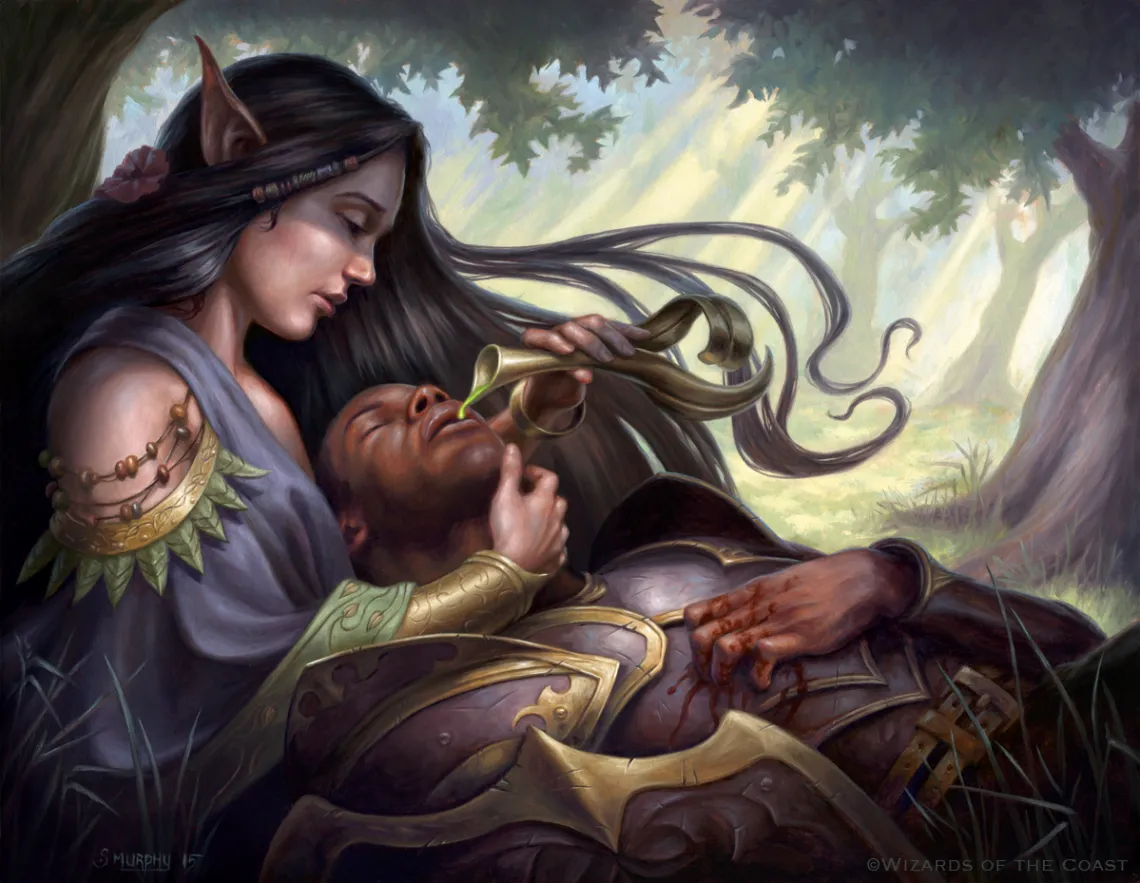
Let’s talk about Lure.
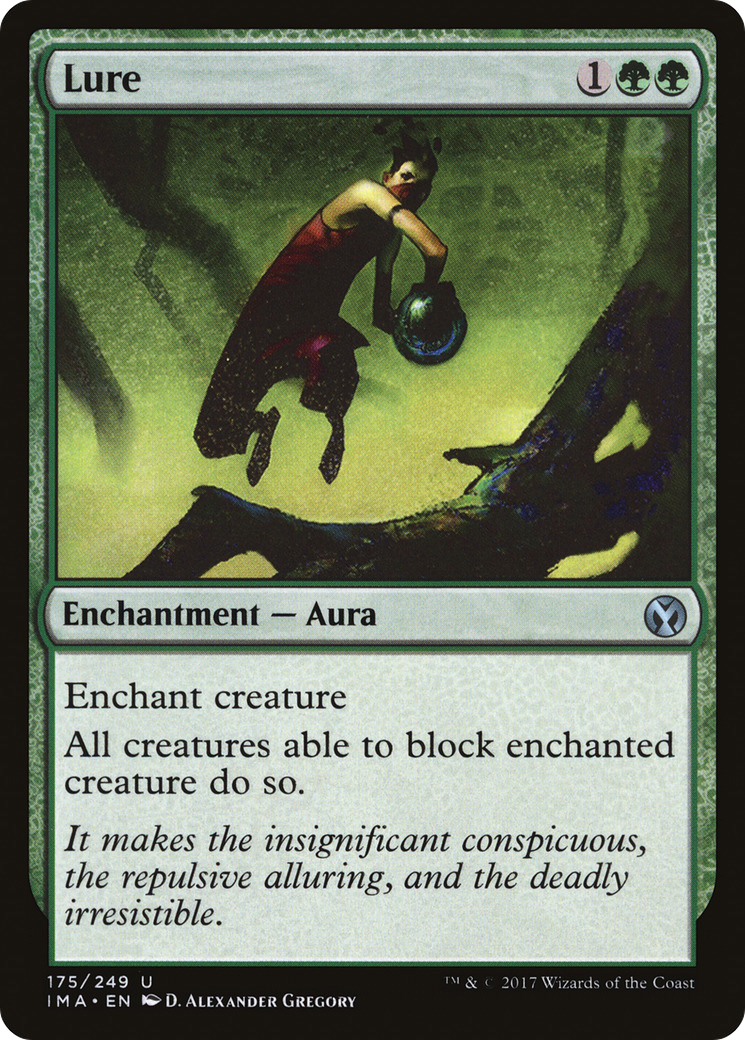
Lure is an Aura that enchants a creature. Though its effect is simple to understand — all creatures able to block the enchanted creature must do so — actually playing it to its full potential is another story. When is the proper time to cast it? Is it better to enchant a big creature and obliterate an opponent’s board, or should you use it as a distraction so you can sneak the rest of your forces through? And which Lure among many is the best of the best?
All that and more in this complete guide to Lure. I’ll talk general strategy, review all the versions of the effect, compare and contrast various commanders that work well with the ability, and leave you with tons of tech that’ll mold you into the absolute master of the combat step. But before you commit yourself to reading this (admittedly lengthy) article, let’s answer the most important question of all: why play with Lure in the first place?
But Why Lure?
Lure effects, which I’ll also refer to as must-block effects, are the backbone of a unique combat strategy in Magic. While most combat-focused decks would prefer to see few blockers on the field that could interrupt their march towards an opponent’s face, the must-block strategy is indifferent or even happy when your opponents play more creatures.

Because Lure takes away blocking agency, it turns the normally beneficial action of simply playing creatures into huge tempo losses. When a must-block effect is in play, summoning more creatures to act as fodder can no longer save a player from a wide field, and any value creatures someone wants to commit to the board won’t live for very long when they’re forced under an attacking creature every turn.
This unique blend of control, go-wide, and Voltron strategies leads to a gameplay experience that’s difficult to replicate with any other type of combat-centric deck. The must-block deck takes control of the board in a way that doesn’t slow down the game, like what frequently happens after a Farewell resolves or a stax piece gets on the battlefield. Instead, it does it in a fair way that leaves plenty of opportunity for counter play (and counter-counter play), and that leads to engaging, thought-provoking games without sacrificing the inherent stompiness that green’s known for.
If that sounds like your jam, then let’s dig into the details!
The Strategies
Let’s start with the three main ways to use must-block effects — and yes, contrary to your intuition, there are three.
- Distraction Tactics: Enchant a decoy with Lure so that the rest of your board can sneak by unperturbed;
- Blocking Matters: Use Lure on a creature you actively want blocked for some kind of benefit;
- Combat Orchestrator: Play and rearrange Lures on enemy creatures to force rough combat situations without committing any of your own resources.
Now, these three Lure subthemes aren’t mutually exclusive. They can co-exist in the same deck, and you can even run them concurrently in the same game. In fact, it’s actually quite wise not to focus too heavily on any one strategy; investing in flexibility will allow you to handle a wider variety of enemy board states. Blocking-matters decks struggle to get value out of their triggers when up against lists that don’t field many creatures, and you can’t reliably distract a deck that runs tons of instant-speed interaction.
With that in mind, let’s go over each subtheme individually. You can see how they work, what cards are used in each, and what their strengths and weaknesses are.
Creating a Diversion
The simplest way to use must-block effects is as a diversion, where you force an opponent to block a throwaway creature while the rest of your board gets through unscathed.
Of course, while the creature carrying the Lure is a throwaway, it isn’t unimportant; it’s actually the lynchpin of the entire strategy. You need to choose a creature that isn’t evasive (so that everything can block it), doesn’t care about hitting your opponent (so its triggers aren’t wasted), and, ideally, is resilient enough to survive combat. If you want to distract one opponent, you’ll want to distract the other two eventually, so keeping your Lure in play is crucial.
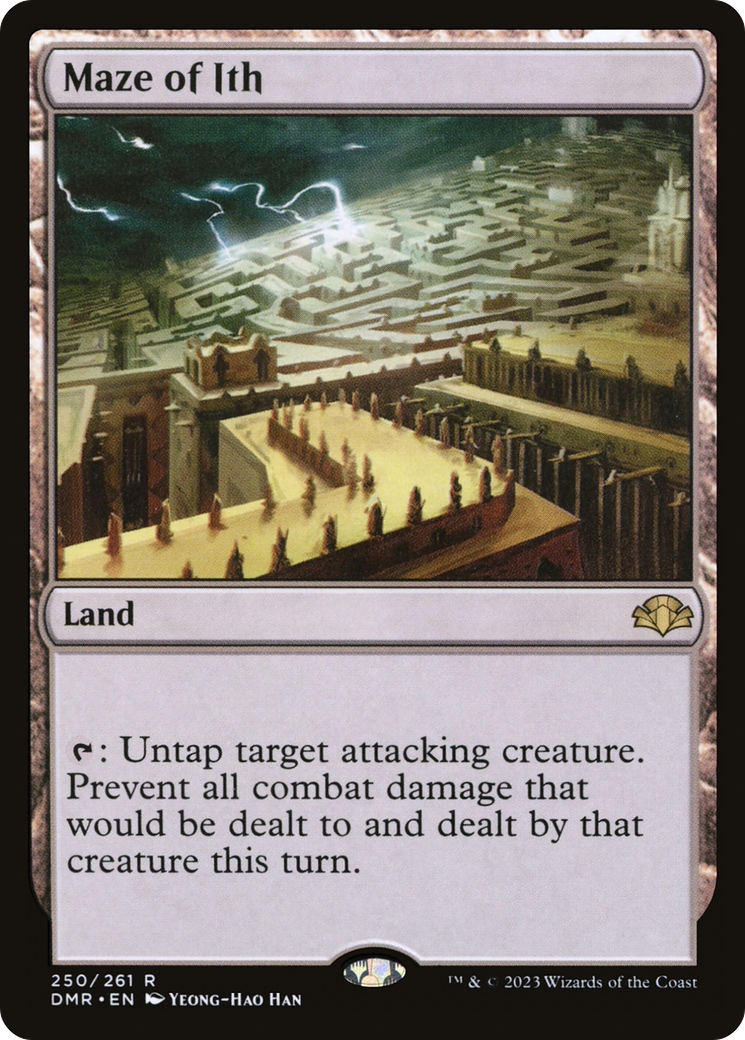
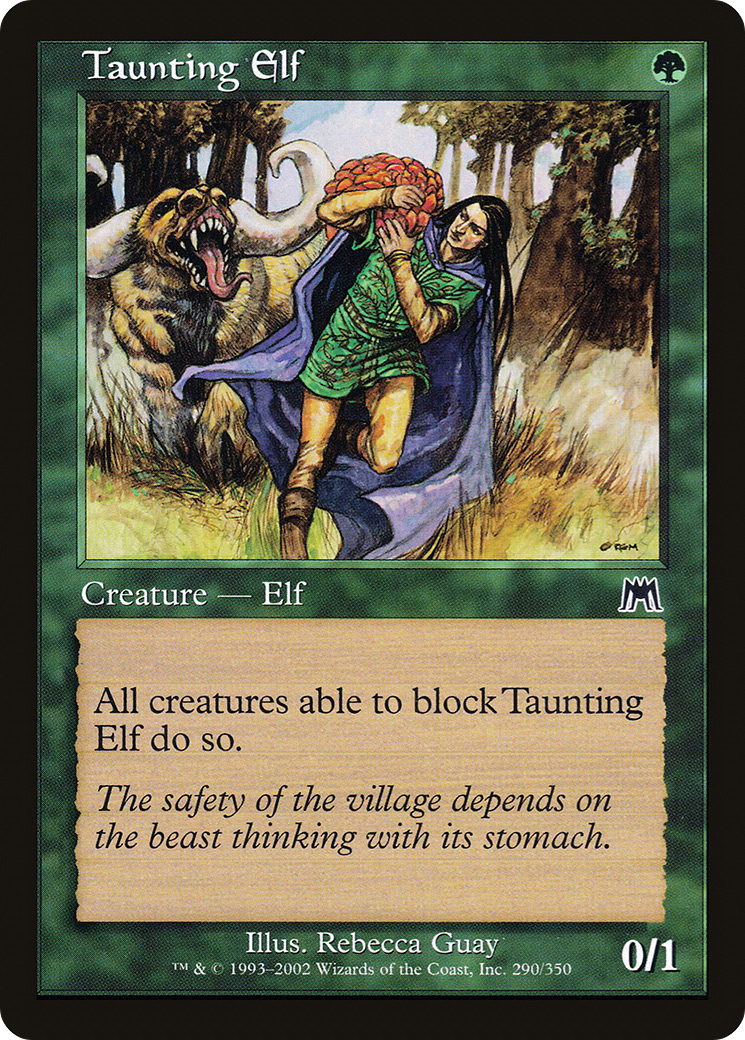
One way to handle this is to use one of green’s many creatures that have a built-in must-block ability, like Golgari Decoy or Taunting Elf, in conjunction with an effect that shields them from the consequences of their actions. You can make the decoy indestructible with an enhancement like Darksteel Plate, or remove it from combat after blocks with cards like Maze of Ith or Reconnaissance. So long as the creature doesn’t actually take enough damage to die, you’re golden.

Alternatively, you can add a must-block effect to a creature that already has built-in protection, such as Pygmy Troll, who can regenerate away any damage it takes in combat. It’s similar to shielding creatures with a built-in Lure; you’re ultimately just swapping the cards around a little.

Regardless of which route you take, you’ll want to pack plenty of instant-speed protection. If your creature (or the Lure itself) gets removed after you attack but before blockers are assigned, then the rest of your creatures are left completely vulnerable to being intercepted. Be cautious about swinging into enemies with open mana, and don’t overcommit if you feel like removal is a possibility. Remember, your opponents can make political deals to kill the decoy in combats they’re not even a part of, so stay sharp.
As for the creatures getting through, this strategy scales with the strength of your board. You’ll want to go wide and focus on attackers that do something when they connect with an opponent. Of course, high damage is a reward in itself, but triggered abilities are the key, whether they be innate to your creatures or added by another effect. Simic is particularly talented at this strategy, since their variety of Coastal Piracy effects make it easy to keep a full grip of cards.
Asking for a Challenge
You can also go headlong in the opposite direction and revel in the fact that you have a fighter that will scrap with everything on the enemy’s board. This subtheme has elements of Voltron, where you create one incredibly powerful creature, but instead of doing everything you can to avoid blockers, you do everything you can to attract them.
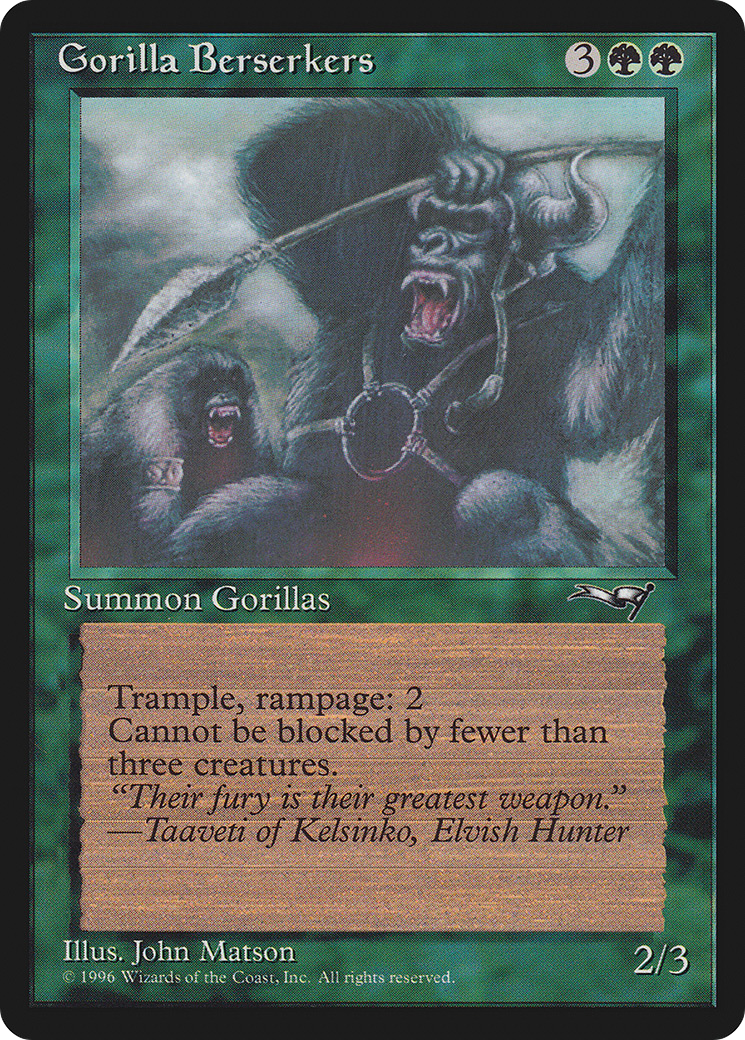
Creatures with enough power and toughness can use Lure to control smaller board states. Your opponents can only play so many creatures per turn, so if you have a Lured attacker that can survive combat with whatever they’re capable of casting, then nothing they summon will stick. This is especially potent against archetypes like spellslinger and aristocrats, which often play tons of small value creatures that are both sitting ducks when forced into combat, and incredibly important to the continued function of their deck. Nobody’s going to be pinging you to death if their Guttersnipe doesn’t stick.
Though relatively rare, there are also creatures with abilities that trigger when they become blocked. Notably, there are two variants of these triggered abilities: one that occurs when an attacker becomes blocked, and another that occurs when an attacker becomes blocked by a creature. The difference is that abilities that trigger when the attacker becomes blocked by a creature will trigger for each creature that blocks it. For example, when ten tokens block Assembled Alphas, its ability will trigger once per blocker, and your opponent will take thirty damage.

The best candidates for the Lure in this strategy, then, are creatures that do something absurd when they get blocked by multiple creatures. For example, Elven Warhounds, Engulfing Slagwurm, and Sylvan Basilisk absolutely obliterate whatever stands in their way, no questions asked, creatures with Rampage grow much, much larger, and direct-damage enablers like Vicious Battlerager can outright win you the game.
Being a Gremlin
Finally, you can be a menace and put Lures on enemy creatures because you’re evil.
This is a much more nebulously-defined subtheme similar to a combat trick strategy that rewards patience, timing, and game knowledge. Proper play can turn opportunistic attacks into terrible, one-sided affairs that end with the obliteration of tons of value creatures, or make an unsound flunge into a lethal strike.
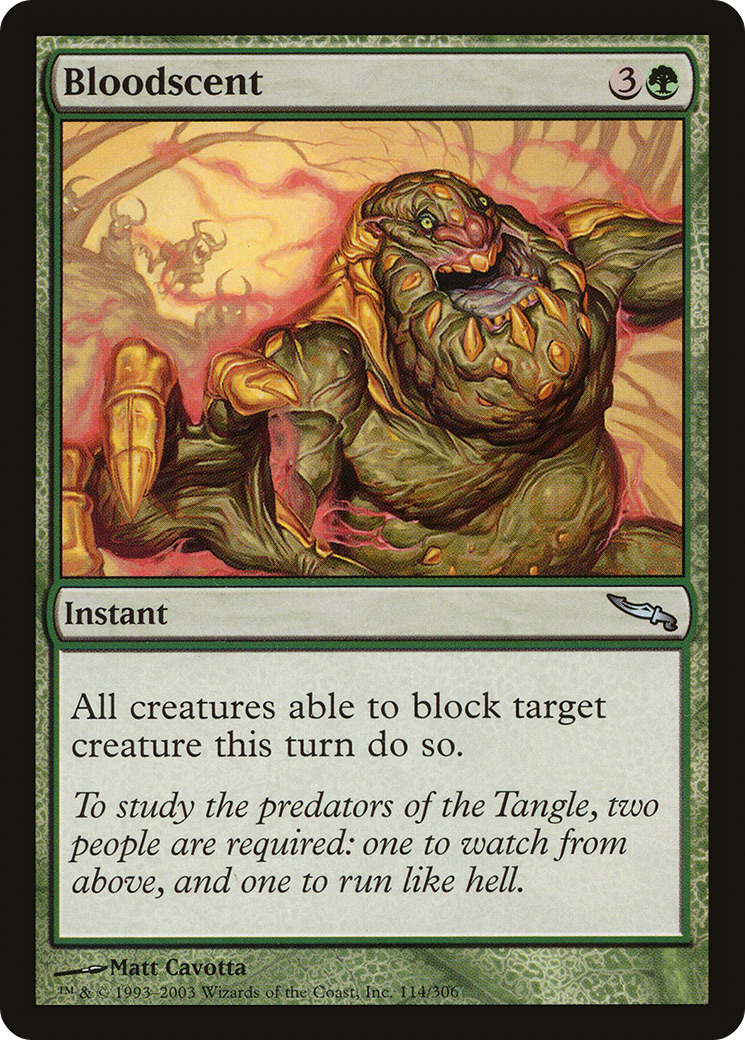
You’ll need to invest in the instant-speed forced-blocks to get anywhere with this; cards like Shinen of Life’s Roar, You Look Upon the Tarrasque and Bloodscent are key here. You can also experiment with ways to give the more traditional must-block spells flash, if you want a wider breadth of effects.
Selecting the Bait
Now for the Lures themselves. There are, as of this writing, twenty-nine Commander-legal spells that force all creatures to block. These can be broken down into three main categories: the creatures, the enhancements, and the non-permanents. You may want to focus on one category over another depending on your commander, but all three have their own uses.
The Creatures
Out of those twenty-nine must-block cards, a full fifteen are creatures. Many of these are inherent decoys, as discussed in the strategy section, so their stats and abilities will make them or break them. Others have more going on, so let’s take a look at each creature to see which makes the cut.
Breaker of Armies
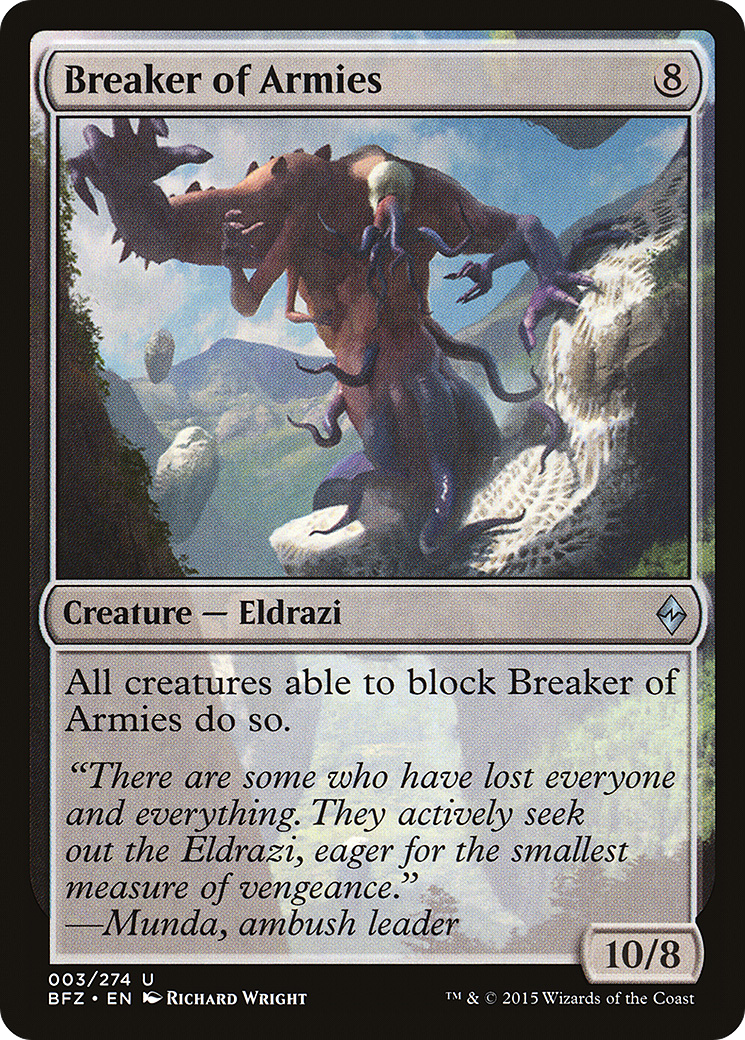
This Eldrazi is extremely expensive, but it’s also one of only two must-block effects that exist outside the green color identity. A 10/8 should trade favorably with a large chunk of enemy armies, though most decks are better off with an actual board wipe at that price point. You should really only consider Breaker of Armies in budget Eldrazi decks.
Elvish Bard
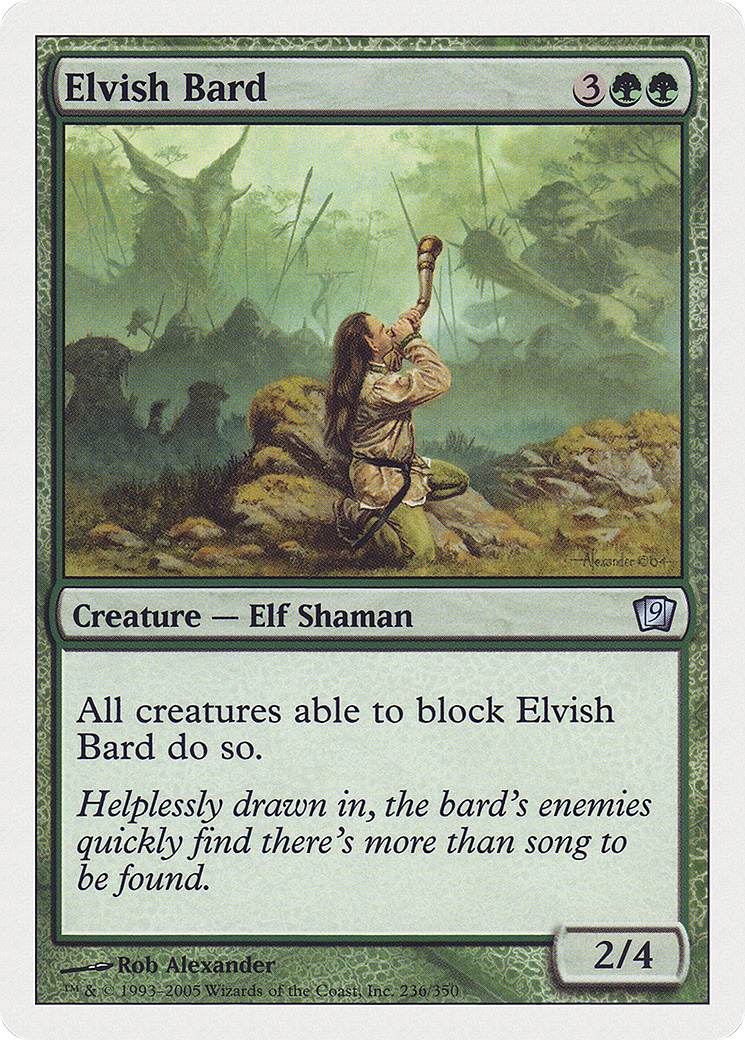
Elvish Bard must be blocked by all creatures, but its poor stat line for the price means it’s probably not taking much of anything with it on its inevitable trip to the graveyard.
This would be fine if your plan is merely to distract blockers for a turn so your massive board can claim a kill, but the problem with that is that Taunting Elf exists and does that job for just one mana. A good must-block creature (that isn’t just a throwaway decoy) should be able to both create a diversion and control smaller board states, and Elvish Bard doesn’t have the stats to do it consistently.
Golgari Decoy
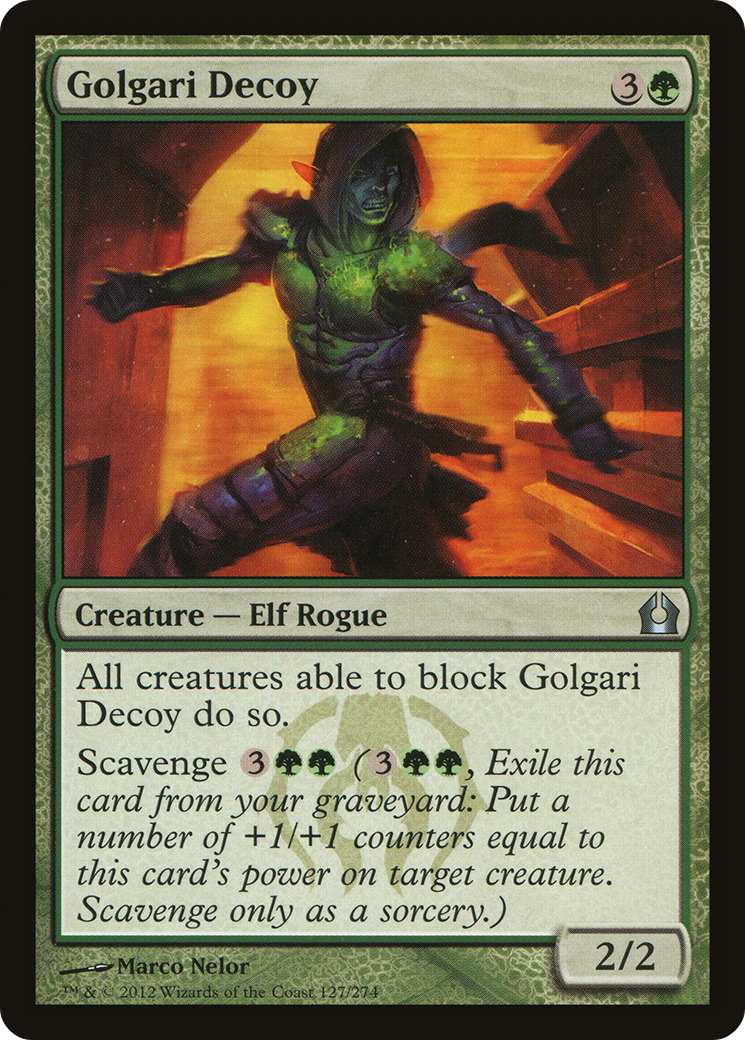
Four mana is a bit more reasonable a price point for this effect on a creature, but Golgari Decoy still won’t take enough down with it to compete with the efficiency of Taunting Elf. Its scavenge ability is both cute and more-or-less flavor text, since five mana is nowhere near a reasonable amount to pay for two +1/+1 counters.
Mortipede

This one doesn’t even deign to have a constant must-block ability. I suppose you could use Mortipede to deal raw damage to an opponent if you’re in a position where having a Lure on board doesn’t help you, but at that point you’re paying four mana for a vanilla 4/1.
Nath's Elite
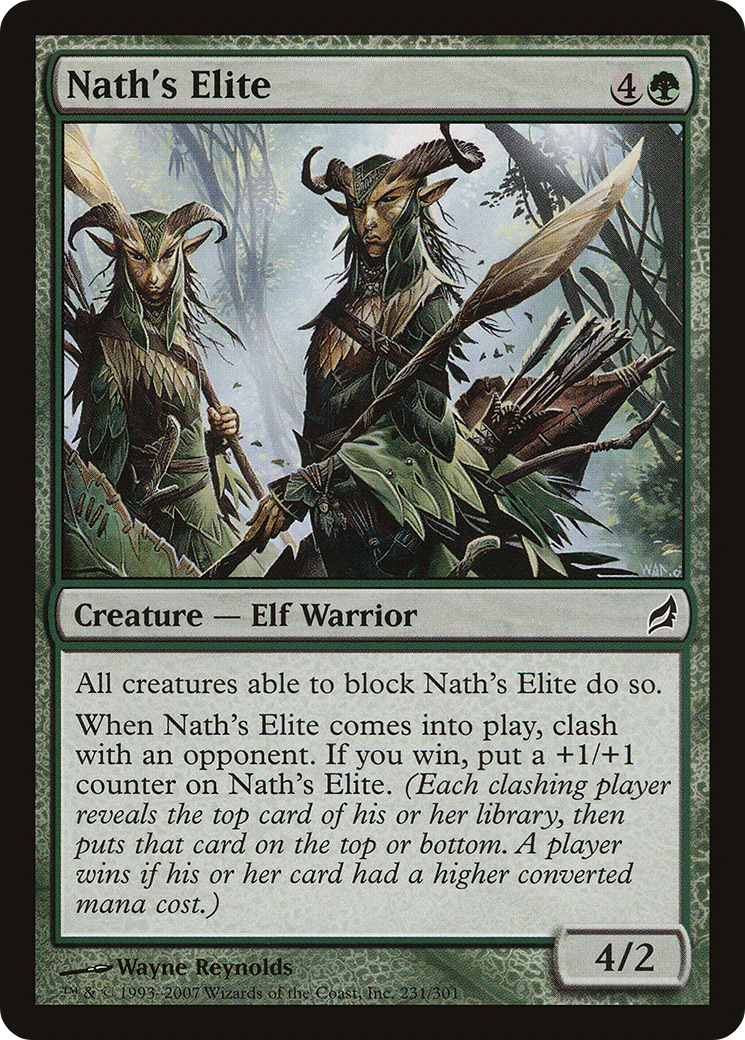
If I’m charitable and assume that you’ll always win the clash, Nath’s Elite is five points of power, which will take down two or three dorks. That makes for a fine fighter if you’re targeting value creatures, especially if you can give it first strike and back it up with Maze of Ith. Realistically, though, this creature is one attack only, so you’re better off with regular removal.
Nessian Boar

Nessian Boar is the first forced-block creature I can realistically recommend, because 10/6 is a great statline for five mana. You won’t want this boar to bear down on a large field, since each creature your opponent throws under the pig draws them another card, but it can easily control and shut down opponents that play very few creatures to the board at a time. Simply keep munching up any new creatures they plop down, and they’ll have problems making any real progress in the game.
Noble Quarry
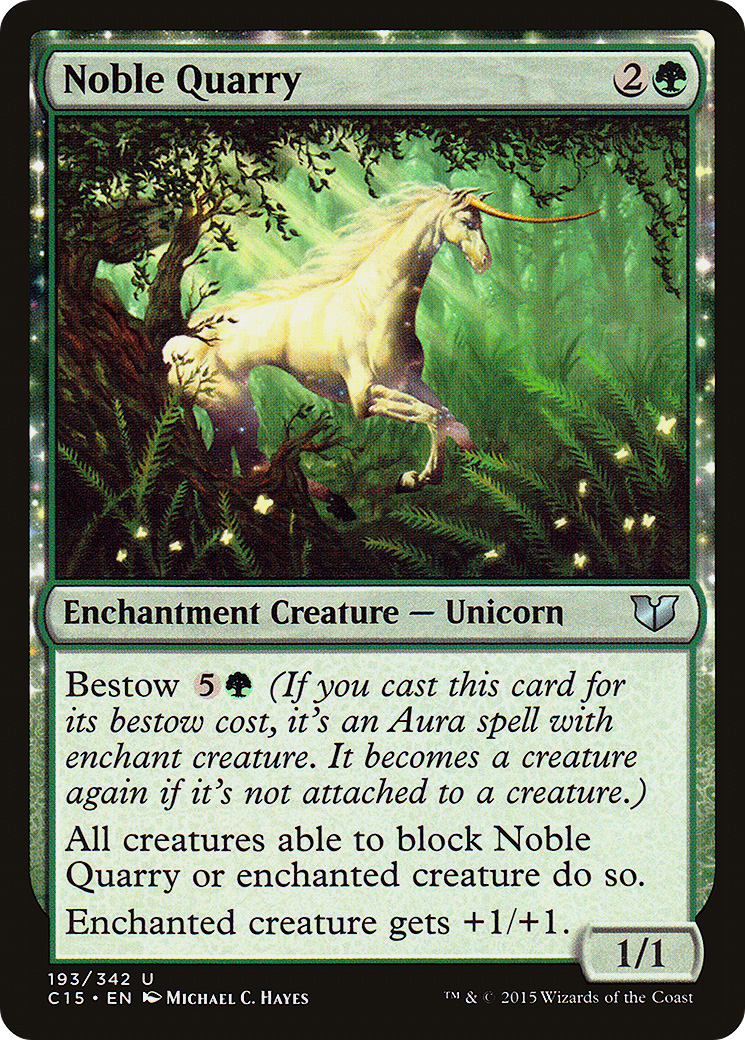
This unicorn pulls double-duty as both an enhancement and a creature. You can bestow Noble Quarry on anything to force all creatures to block it, and then, once that creature dies, it becomes its own decoy for the next attack. It is a hefty bestow cost, but the fact that it can be used multiple times with next to no additional setup makes up for it.
Ochran Assassin

Ochran Assassin is only a 1/1, but it has inherent deathtouch. If it gets to attack, you are definitely assassinating one of your opponent’s creatures, even if that creature will almost certainly end up taking its killer with it.
Now, Ochran Assassin becomes vastly more threatening if you can suit it up with Equipment that gives it more power and toughness, especially if that Equipment grants first strike or indestructible, too. The more power it gets, the more creatures it gets to murder with each swing, so invest in this up-and-coming assassin and you could reap the rewards down the line.
Prized Unicorn

This horse is worse than Golgari Decoy, and Golgari Decoy itself is no prize, so, skip!
Shinen of Life's Roar

Like Noble Quarry before it, Shinen of Life’s Roar is a child of two worlds, but this time it’s half-non-permanent spell. You can channel Shinen of Life’s Roar to force all creatures to block a target creature at instant speed, and since it’s not cast, it’s very difficult to counter. Better yet, it’s not limited to a creature you control, so you can ruin combats you’re not even a part of.
All that on top of a very reasonably costed two mana for a pure decoy, and Shinen of Life’s Roar is a slam dunk of a card. It’s one of the best in the must-block strategy, and something I’d consider a necessary include in every Lure deck.
Stone-Tongue Basilisk
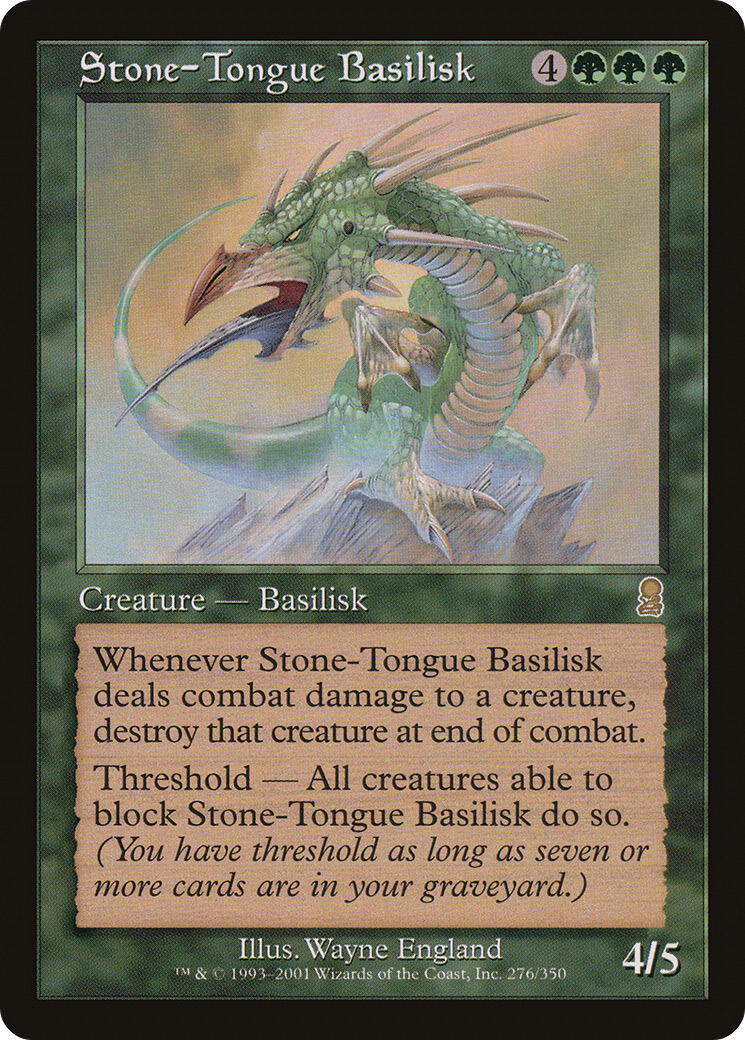
This card has a built-in kill ability (that isn’t as elegant as deathtouch) and an inherent Lure ability (that requires threshold). It looks good on the surface, but everything that Stone-Tongue Basilisk does, it does in a really awkward way. Slap a seven-mana price point on this bad boy, and you’ve got a perfect storm of mediocrity that convinced nobody to include it in their deck.
Taunting Arbormage
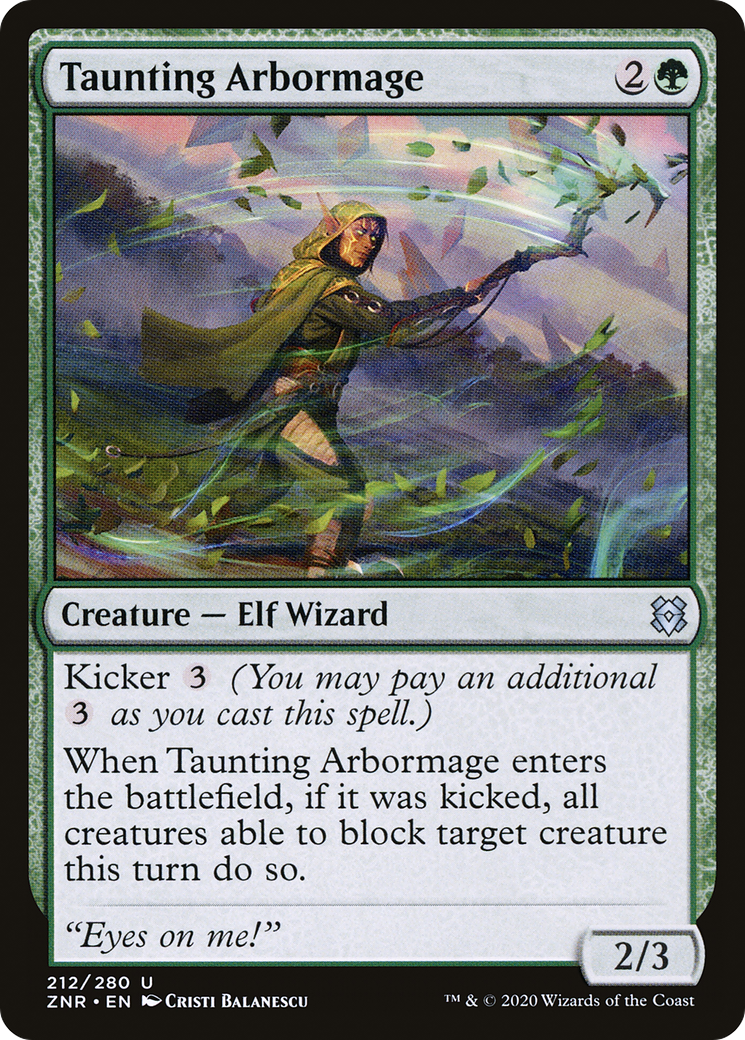
You have to kick Taunting Arbormage for it to Lure something, and even then it only forces blocks for a single turn. Assuming you do so, you’re left with a vanilla 2/3 afterwards, and I have to question why you don’t just use a (much-cheaper) instant or sorcery to accomplish the same task.
Taunting Elf
Taunting Elf is the card I’ve been pitting every other must-block creature against, and it’s easy to see why: one mana is absurdly cheap for this sort of effect. It won’t kill anything and it definitely won’t survive combat without massive help, but that’s true of a lot of cards up and down the mana value spectrum on this list.
Yes, Taunting Elf is a pure decoy, through and through, but it’s hard to go wrong by including it.
Tempting Licid
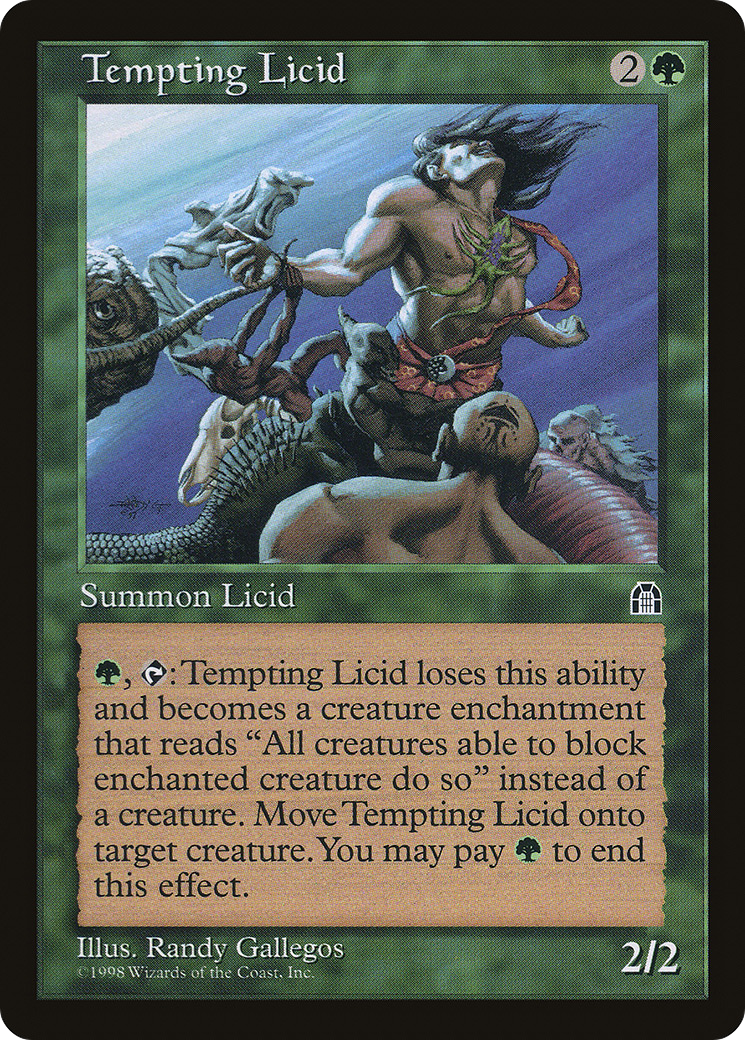
There’s no contest: Tempting Licid is by far the most interesting of the must-block cards. Whether or not that’s a good thing depends on your personal playstyle, but either way, you should definitely read the Oracle text for this card. It’s distinct enough from the printed text to make a real difference.
As with all members of its type, Tempting Licid is confusing from a rules perspective, so here’s the breakdown. When you cast it, it’s just a regular 2/2 creature. When you activate its ability, it becomes an Aura with enchant creature that you attach to a target creature. Anything enchanted by Tempting Licid must be blocked by all creatures able to do so. You can think of it as an Equipment that you can activate at instant speed once per turn cycle.
This seems like Lure with extra steps, but here’s the kicker: you can pay a green mana to end the effect at any time. That means you can do things like enchant an attacking creature, and then pay the green once blocks have been declared to keep Tempting Licid around. If an opponent points a Murder at it, you can turn it into an enchantment in response to no-sell the removal. That also works in reverse; if it’s an Aura, you can end the effect to stop it from getting disenchanted. Better yet, since ending the effect is a special action, even Krosan Grip’s split second isn’t enough to guarantee a kill.
These attributes make Tempting Licid unparalleled at screwing with the combat step. You can only do its shenanigans once per turn cycle, because it requires you to tap it, but that’s more than enough to wreak havoc on people’s defenses.
Treeshaker Chimera
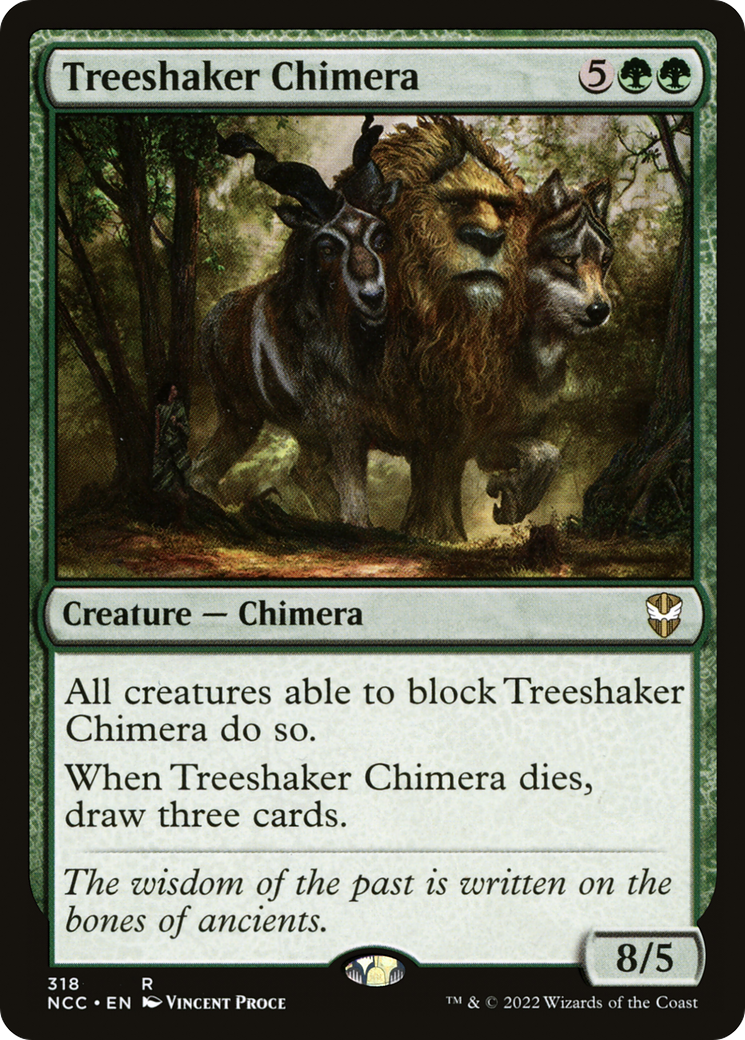
The final must-block creature is Treeshaker Chimera, and it’s the most Timmy of the bunch. For seven mana, you get to sneak the rest of your board through, control enemies with smaller board states, take out several enemy creatures, and even draw cards when it dies.
It’s particularly strong in the Golgari variants of the strategy, because it can draw into reanimation spells that bring it right back, so the card flow becomes positive. It doesn’t even have to die in combat to get those cards, so keeping a sac outlet around is useful, too.
The Enhancements
Although the quintessential must-block card is Lure itself, it’s actually quite rare to see other cards like it. These five cards are permanents that can give the relevant text to arbitrary creatures, so let’s look at each.
Lure
No frills, no fuss; Lure is the simplest card out there. It’s best played in an enchantress or recursive shell, since it gives no protection or stat buff, and so the creature you put it on is likely to die when it goes to combat.
You could also use that downside as an upside, since it can force an opponent’s creature to be blocked by everything without making it more threatening in combat. Just be sure you have a way to sacrifice or destroy the Lure first so that they can’t use it against you.
Seton's Desire

Seton’s Desire gives the enchanted creature +2/+2, which is a fairly significant buff, but its must-block effect only activates once you’ve got threshold online. This makes it better for control in the late game, but worse early on, since it’s only a meager buff until that point.
Gift of the Deity
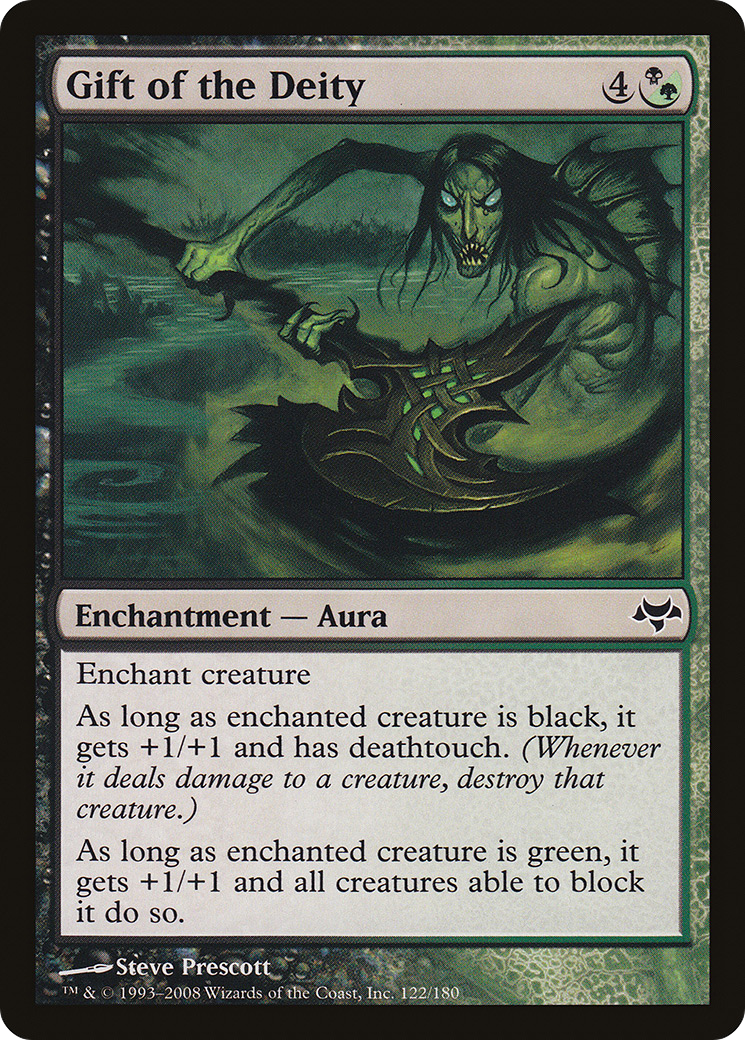
Although its Golgari color identity makes it more difficult to include in the average deck, Gift of the Deity is quite the Aura. If you enchant a Golgari creature, then it effectively becomes a copy of Ochran Assassin with a much higher power and toughness, removing the one weakness Ochran Assassin had.
You can still use it as a regular, albeit expensive Lure on a green creature, too, which is useful if your target already has deathtouch or has some other effect that makes the deathtouch irrelevant.
Indrik Umbra

By far the most impactful enchantment on this list for combat, Indrik Umbra gives an astounding +4/+4, first strike, and umbra armor in addition to its must-block text. That means you’re winning tons more combats while risking fewer resources.
The only downsides are its restrictive color identity and high casting cost, but with everything this card does, it’s worth it.
Nemesis Mask
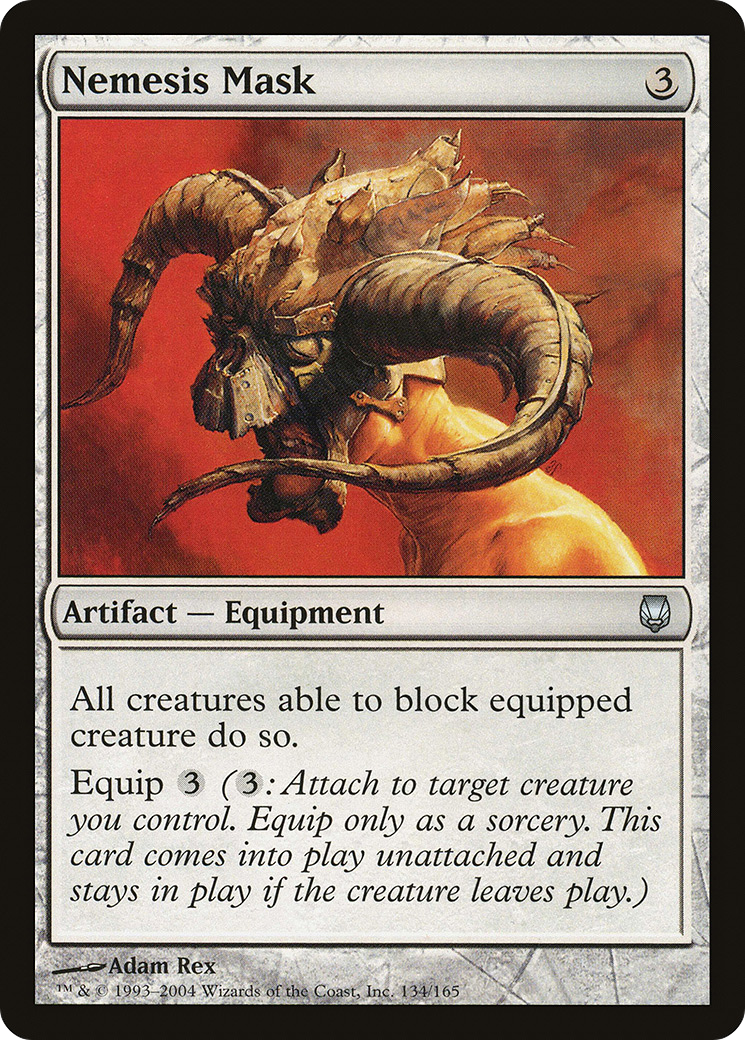
The other of the two non-green must-block cards, Nemesis Mask is an Equipment with Lure’s text. It has an awkward equip cost (three is quite a lot of mana), but the fact that it sticks around even when its creature goes away is a major upside. It’s also rather easy to fetch in any Equipment-based deck, vastly expanding the availability of the strategy beyond just green decks.
The Non-Permanents
The last category of must-block cards are the non-permanents, or the instants and sorceries that force everything to block a creature for a turn. Cards in this category are much more interchangeable than the other two, but some have unique aspects that are worth taking into account.
Alluring Scent
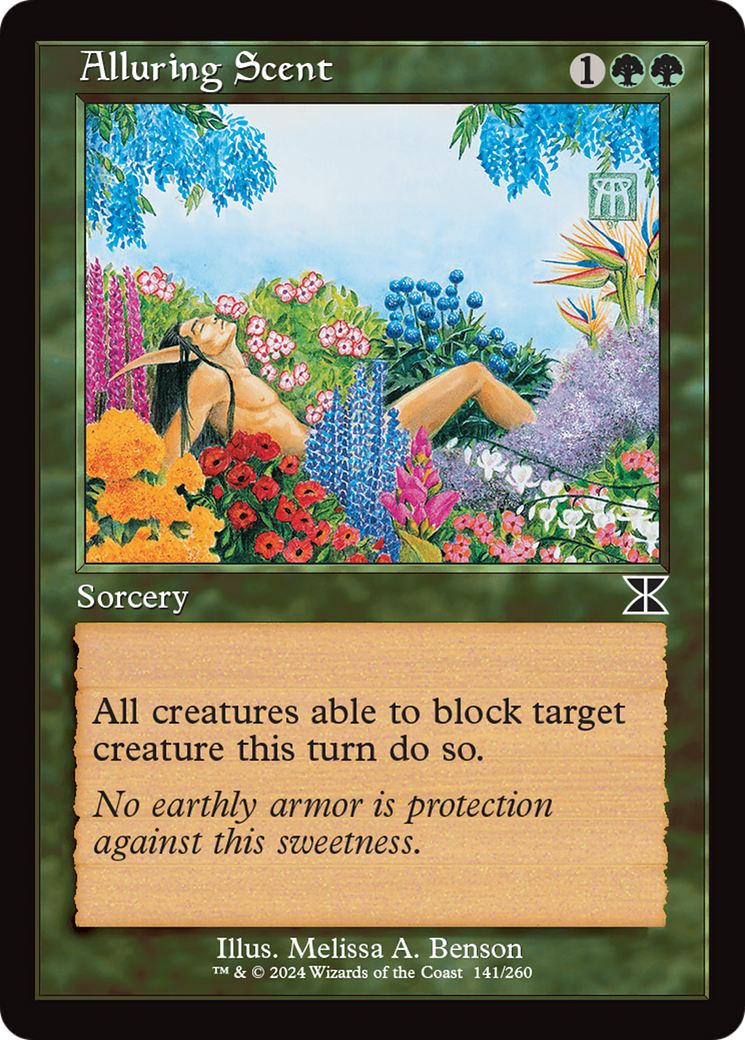
These cards are functionally the same card, and both fall flat in the face of actual Lure, which costs the same and is also sorcery-speed. You should only include these two cards if you really need as many of these effects as possible.
Roar of Challenge
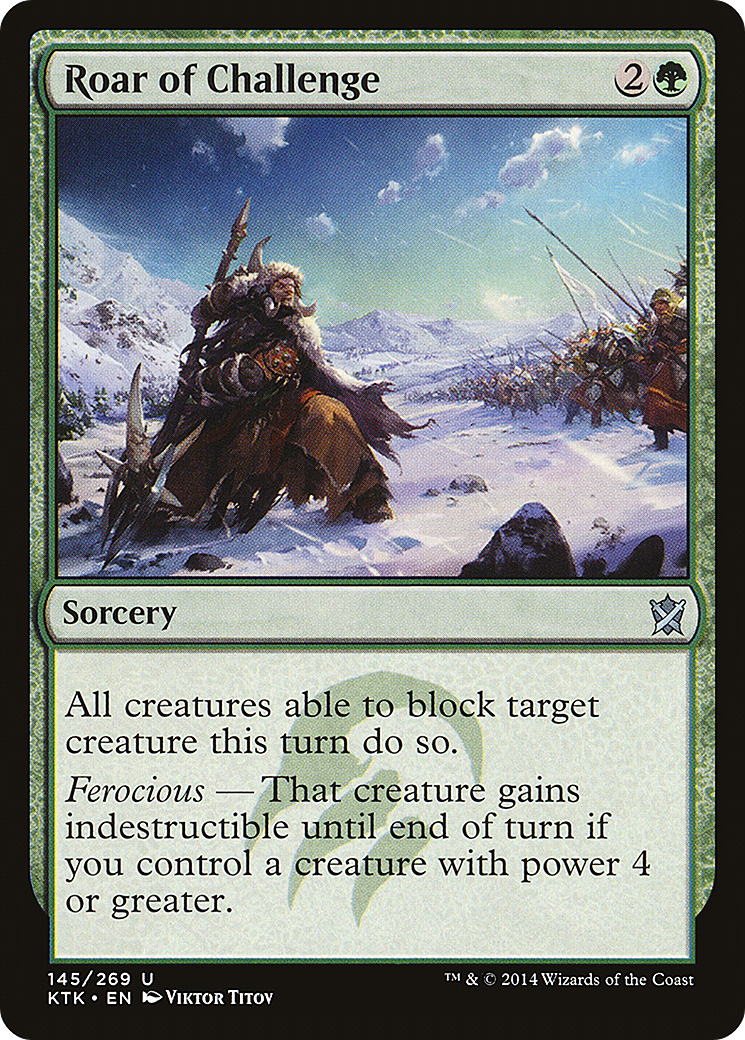
So long as you control a creature with power 4 or greater, Roar of Challenge gives its target indestructible, which is a fantastic boon for something that’s about to get blocked by tons of creatures. You’ll generally want something with more than four power to go to combat anyway to take out the most blockers possible, so this card is perfect for the strategy.
Bloodscent
Bloodscent is “the instant-speed one,” meaning you can use it like a combat trick to ruin people’s days. It’s actually better spent on enemy creatures instead of your own, because you can take out a lot of stuff in just one combat if you use it properly. Four is a lot of mana to hold up, though, so make sure you’ve got draw spells in your back pocket to make use of that mana if no opportunity presents itself.
You Look Upon the Tarrasque
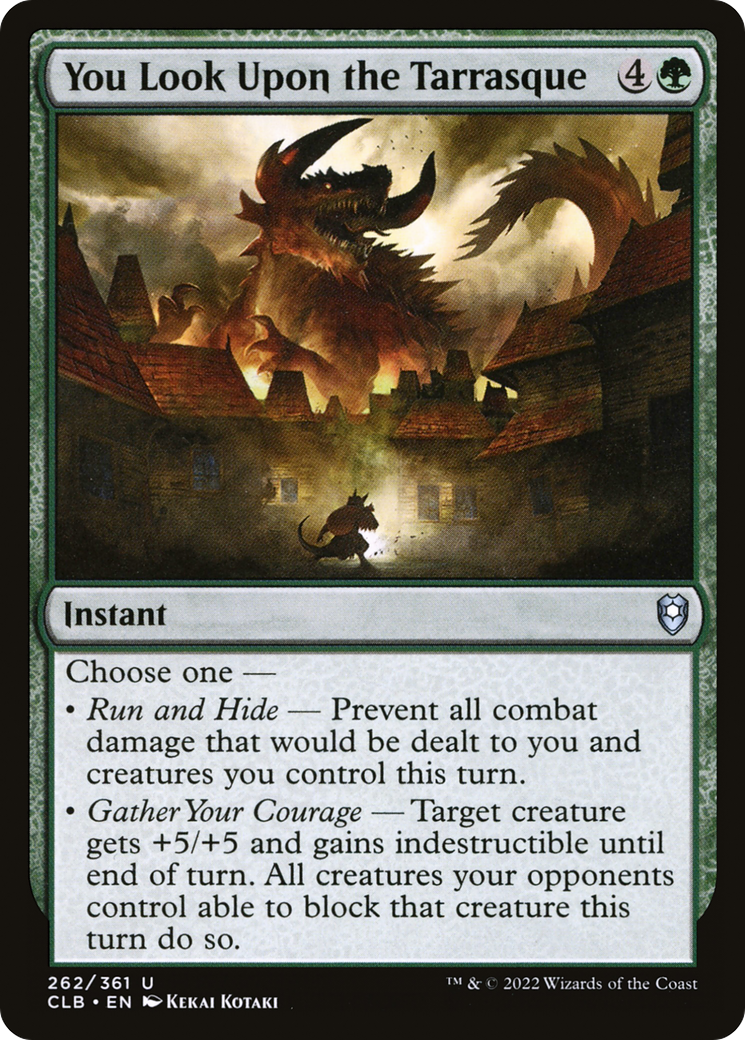
You Look Upon the Tarrasque is the other instant-speed one, and it does a lot of things way right. Chief among those good moves is its alternate mode as a one-sided Fog, which means it can still kill tons of creatures even if you’re the target of an opponent’s attack, and it can save you from a Craterhoof flunge.
If not, you can still use it like Bloodscent to ruin combats, and +5/+5 and indestructible also means it’s great if you’re the one attacking. Practically any attacker can pick up a few spare blockers with that big a buff. Even in the absolute worst case, it’s still a protection spell that can nullify a Murder.
It’s very expensive at five mana, but it’s such a turnabout in every scenario that I’ve never been disappointed casting it.
Declare Dominance
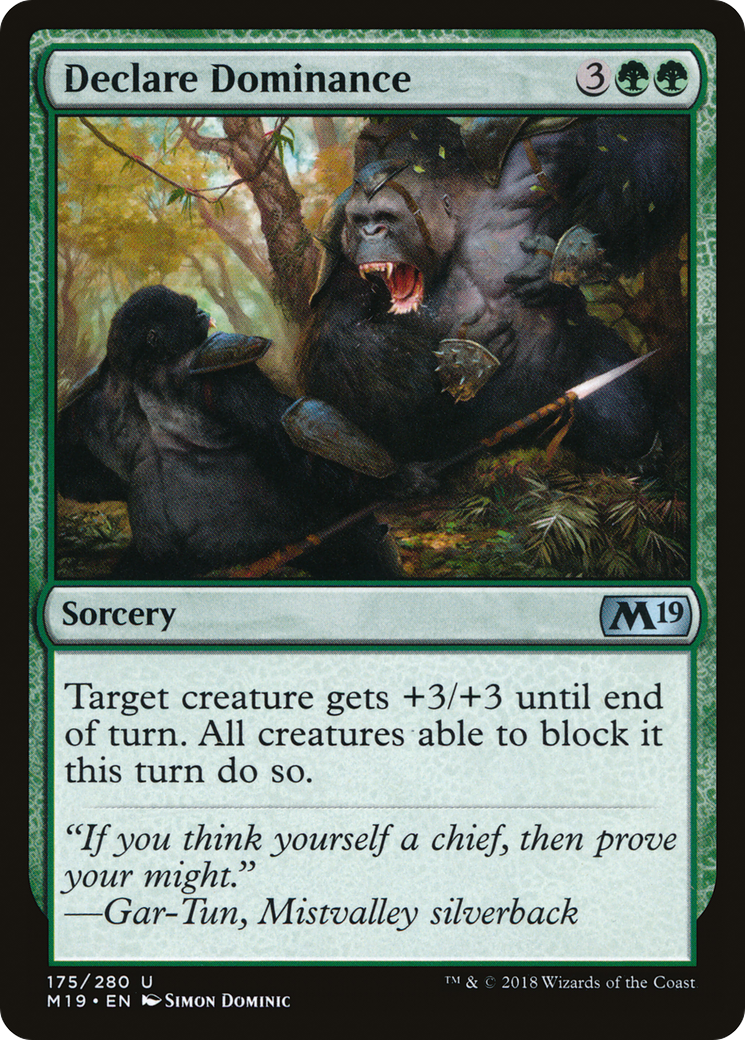
+3/+3 is fine, but Declare Dominance is no Roar of Challenge and it’s certainly no You Look Upon the Tarrasque. Like Alluring Scent above, you should only include it if you’ve run out of other options.
Revenge of the Hunted
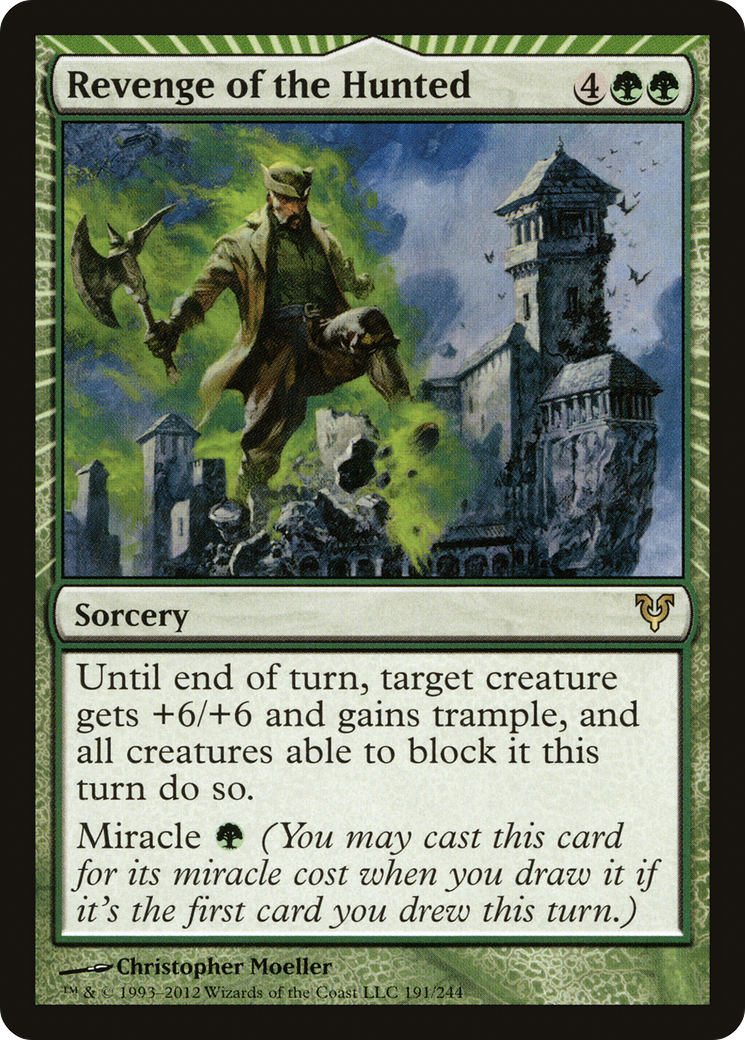
You basically always want to cast Revenge of the Hunted for its super-cheap Miracle cost, but don’t be afraid to save it for a more opportune time if you don’t see that much of a benefit in the moment.
The important aspect of Revenge of the Hunted is actually that it gives trample, which makes it particularly good in decks like General Marhault Elsdragon which grows its creatures with the number of blockers they encounter.
Armed // Dangerous
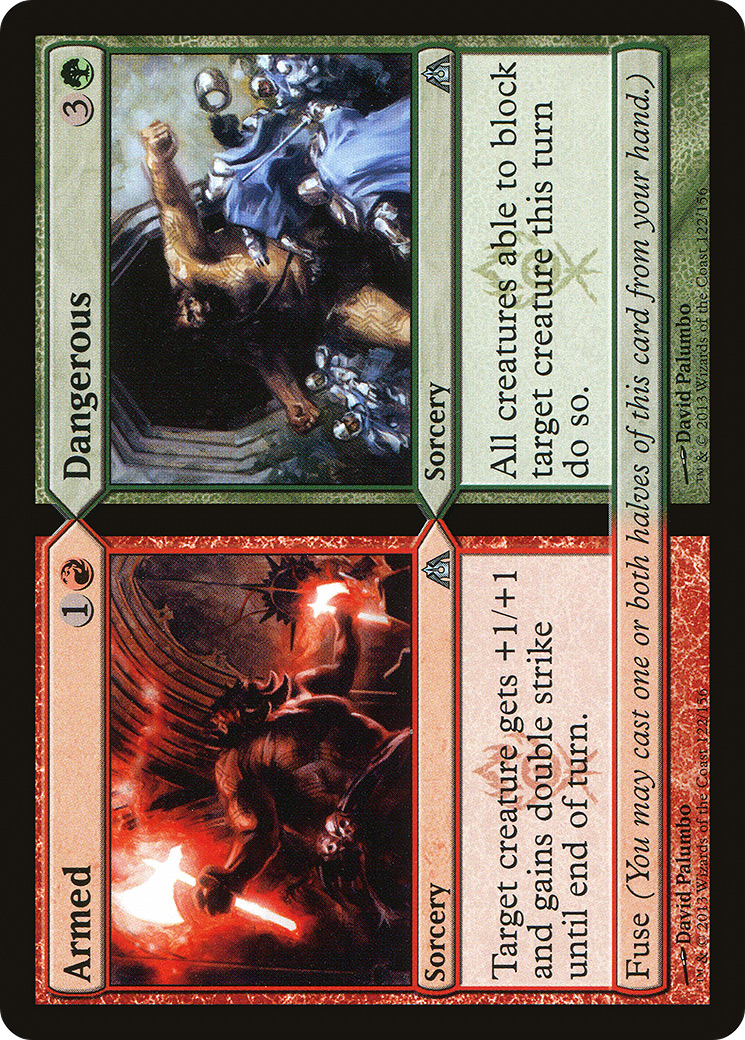
As Indrik Umbra taught us, first strike and the must-block text is a potent combination, and Armed // Dangerous goes a step above to add double strike. It’s best in stompy decks, since you’ll still need to target a relatively big creature, but you’re going to knock out a lot of dorks with this spell while you let the rest of your big beasts through. Make sure you only spend the mana on the Dangerous side if you know the rest of your creatures are going to kill your victim.
Destined // Lead

If Armed // Dangerous is a version of Indrik Umbra, then Destined // Lead is another You Look Upon the Tarrasque. The difference is that this Golgari Aftermath spell has much less raw power and much more application as a generic creature protection spell, since it only costs two mana to give something indestructible.
The Lure Showdown
Which commanders are best suited to take advantage of this suite of tools, though? It depends on what subtheme you find most interesting, what power level you’re playing at, and what colors you want to play with. Listed below are the commanders I consider the Lure Canon: the legendary creatures that are most obviously suited to using must-block effects. There are more commanders out there than these, and you’ll learn pick up on which generals can lead a good deck, but these are the basics to get started with.
Gabriel Angelfire

Gabriel Angelfire can gain rampage 3, meaning every creature that blocks it past the first gives it +3/+3. The plan, then, is simple: put a Lure on Gabriel, give it rampage 3 and trample, and then crash through a crowded board state to kill your opponent with commander damage.
Access to white makes Gabriel the best Lure commander for Aura and Equipment strategies. Enchantresses and Equipment-matters creatures aside, you can use white’s bevy of tutors to find your must-blocks, your trample enablers, and other permanents that’ll help you kill your opponents.
White also unlocks tons of protection that helps with Gabriel’s uniquely Voltron take on the strategy. Selesnya lure decks are much slower and steadier than their Gruul or Golgari counterparts, preferring a general buildup of value over climactic early-game kills, so if you want to take your game down a notch in terms of aggression, Gabriel is a good choice.
Sisters of Stone Death
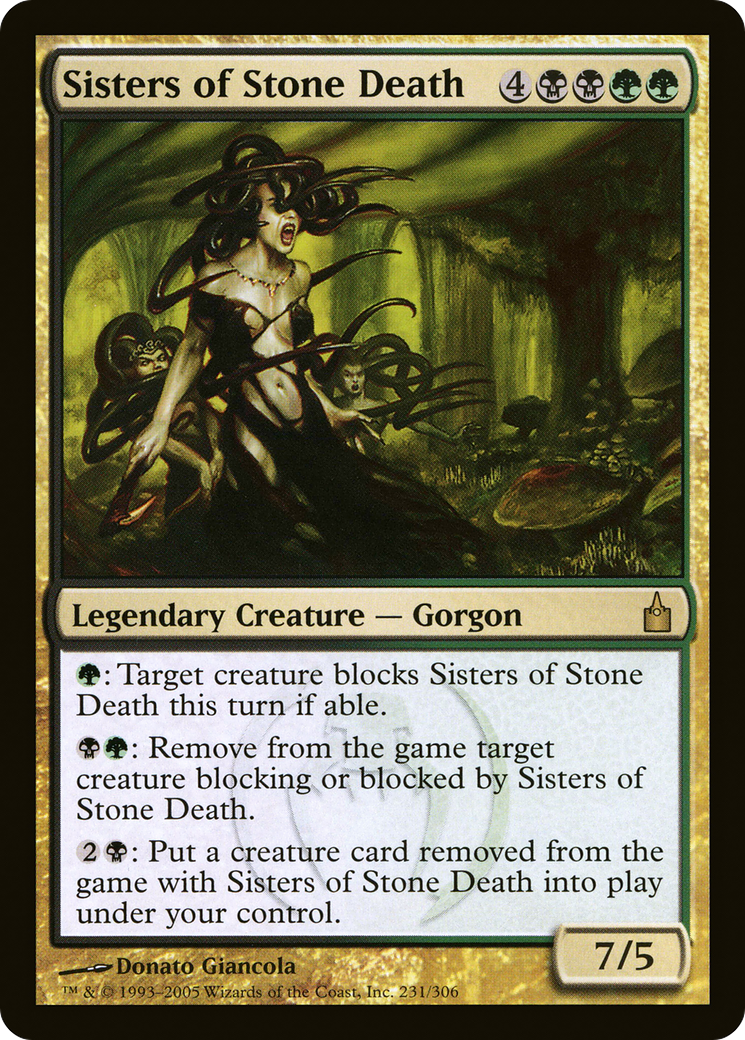
At a whopping eight mana, Sisters of Stone Death doesn’t come cheap, but what you lose in efficiency you gain in raw control. Even if you fail to find your Lure, you can still use the Sisters’ activated abilities to provoke blocks. Once blocked, they can exile anything locked in combat with it, and you can then play that enemy creature out of exile by paying an additional three mana.
It’s a massive investment, so you’ll have to dedicate a serious portion of your deck to ramp and mana doubling, to the point that it’s more of a big mana deck than a Lure one. If you can reach that point, though, you can easily control the board and use your enemies’ creatures against them.
Gorm the Great
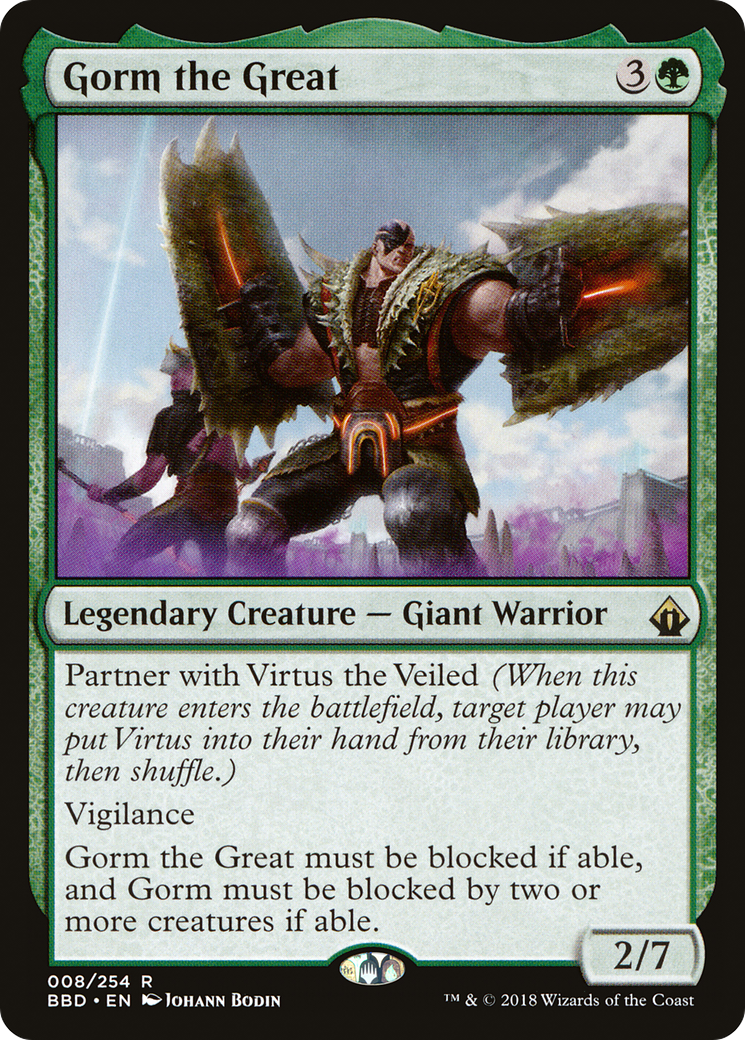
Gorm and Virtus embody the decoy tactics that Lure is famous for, as when Virtus connects with an enemy, they lose half their life rounded up. It is a 1/1, so you’ll need to combine that trigger with a sufficiently large board to actually kill anyone, but the strategy is straightforward.
The other half of the duo, Gorm the Great, isn’t quite as impactful. It has a built in forced-block, but only for two creatures. Your opponents don’t have to throw everything under it. The actual Lure cards reviewed earlier should clear up that weakness immediately, and Gorm’s vigilance and large butt make it an ideal distraction.
This deck is also the best one to include strong on-block triggers like Engulfing Slagwurm. Since you’re including a lot of must-block effects anyway, you may as well include even better carriers for them than Gorm.
General Marhault Elsdragon
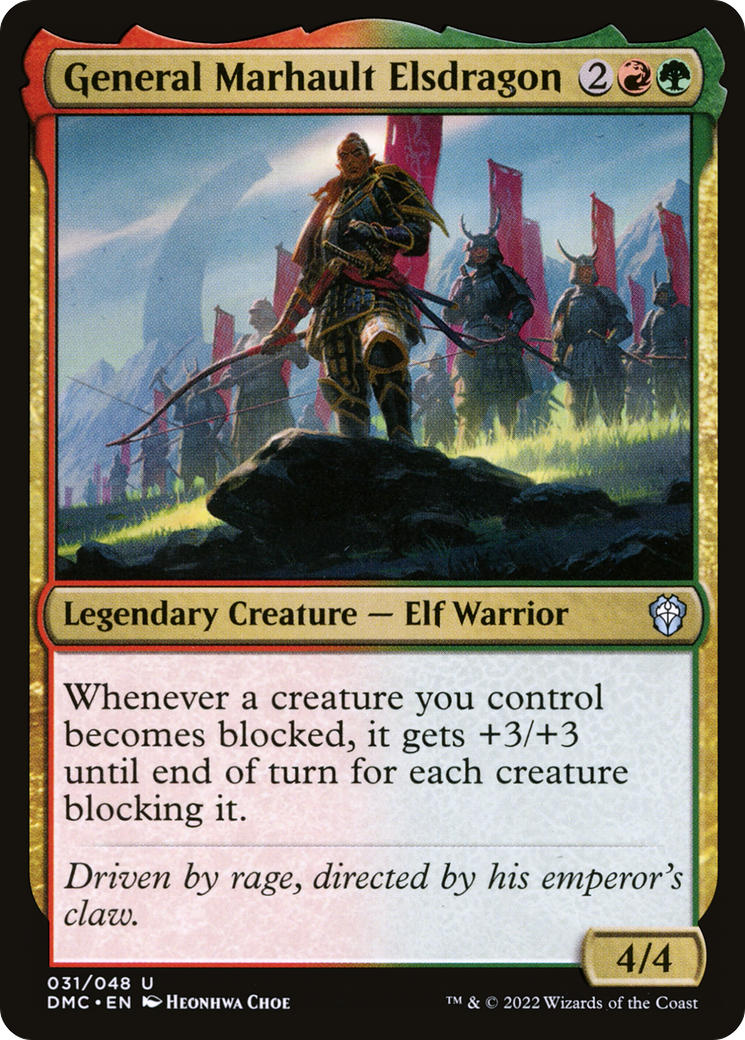
General Marhault Elsdragon extends Gabriel’s rampage 3 to every creature on your board. You’d think that this means it plays similarly, but replacing white with red really changes things up.
You no longer can afford to play defensively; you don’t have the wide array protection instants to get away with that. That also means you can’t realistically go for the same kinds of Voltron commander-damage kills, because you’re liable to get removed at instant speed.
Instead, you have to go all-out and try for overwhelming go-wide kills. Focus on including creatures with built-in trample, since it poses a damned-if-you-do, damned-if-you-don’t choice for your opponents; either they block your trampling creature and buff their stats significantly, or they don’t and you get to hit them for free. Of course, Lure effects make that choice for your opponents, so use them to control the board and punish tokens players that went too wide.
Anzrag, the Quake-Mole
If you’re looking for the true Gruul Lure Voltron strategy, look no further than Anzrag, the Quake-Mole. All you’ve gotta do is make it indestructible with any number of Equipment or protection spells, force blocks (which it can even do on its own!), and then knock out every single creature on the battlefield and even several players with a ton of additional combats.
Earn bonus points by making an opponent’s creature indestructible as well, for as many combats as you want. Spells like Collective Resistance and Mortal’s Resolve can also target creatures you don’t control, so if you have two, you can go sicko mode.
The Tech
With a general idea of the play patterns, the cards, and the commanders, all that’s left is to go through all the cool tech that makes this strategy great. Here we go!
Card Draw
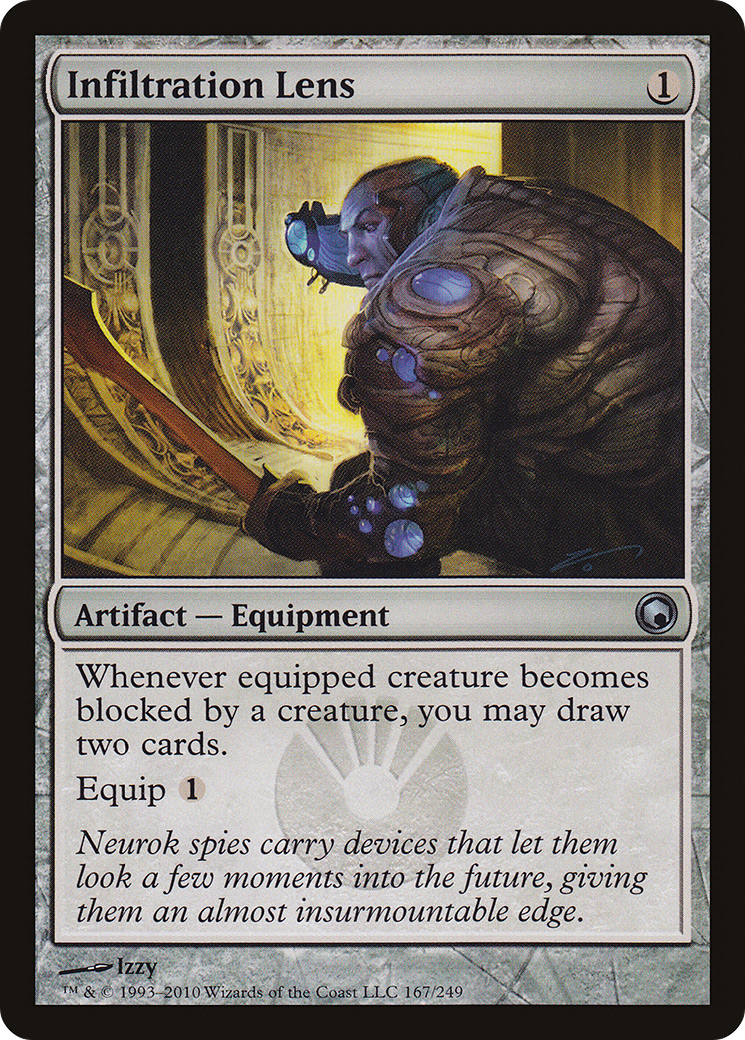
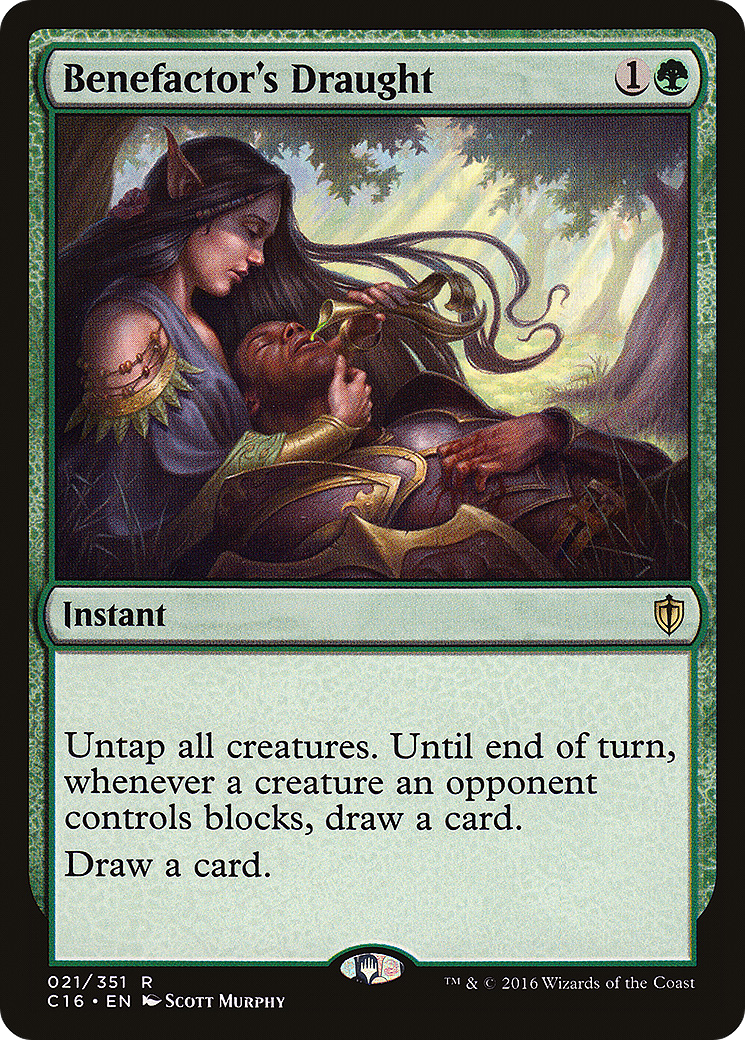
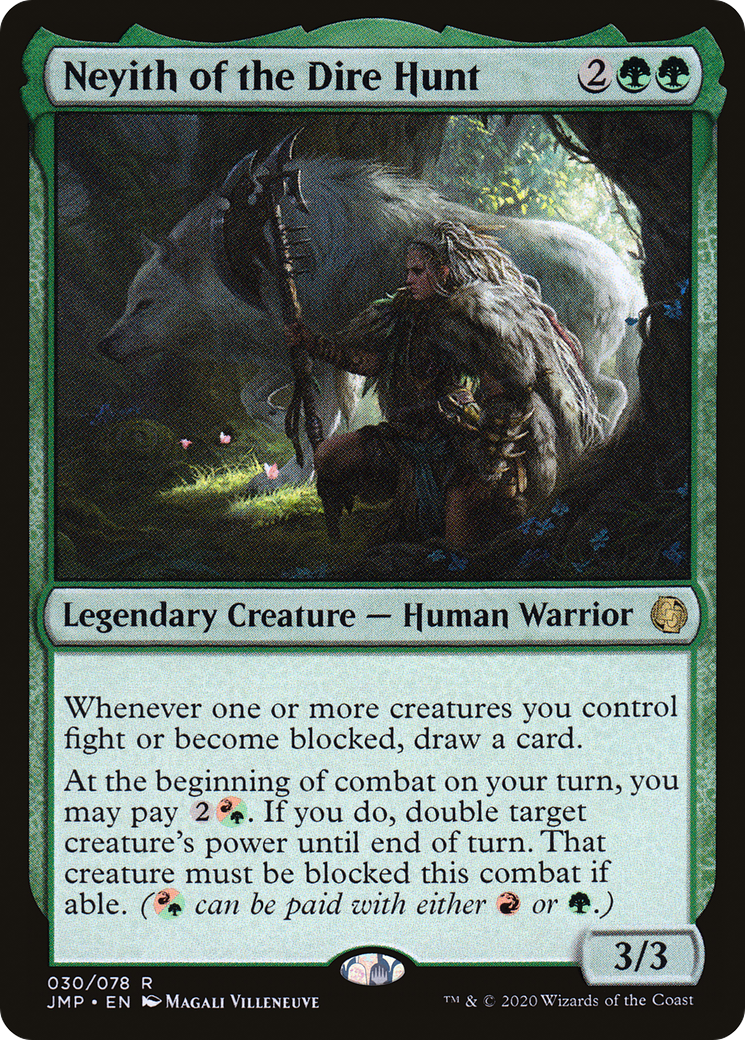
There are a few spells out there that give you card advantage when you get blocked. Chief among them is Infiltration Lens, which draws you two cards per blocker. Benefactor’s Draught untaps any creatures that would otherwise be too tapped to block and draws you one card per blocker in addition to replacing itself. Finally, Neyith of the Dire Hunt draws you one card per combat where you get blocked, can double a creature’s power, and can force at least one creature to block if you can’t find an actual must-block effect.
Untapping
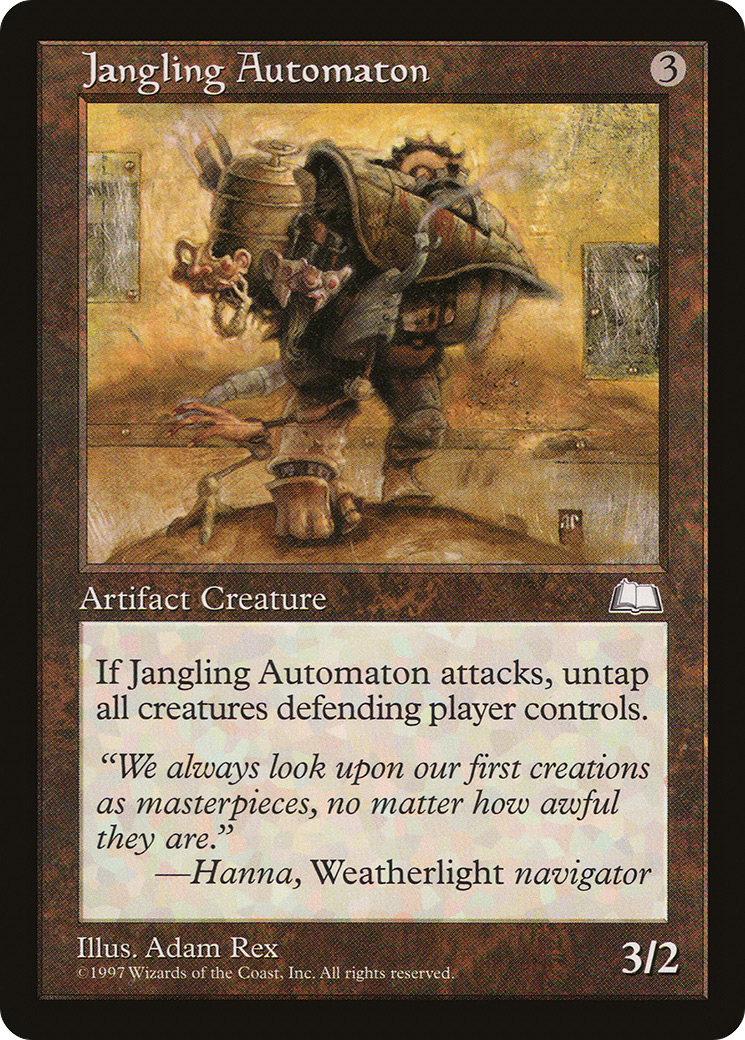
Aside from Benefactor’s Draught, you can also use Jangling Automaton to untap enemy boards and force them to block. Creatures with Provoke can also do this, just on a smaller scale.
Making Blockers
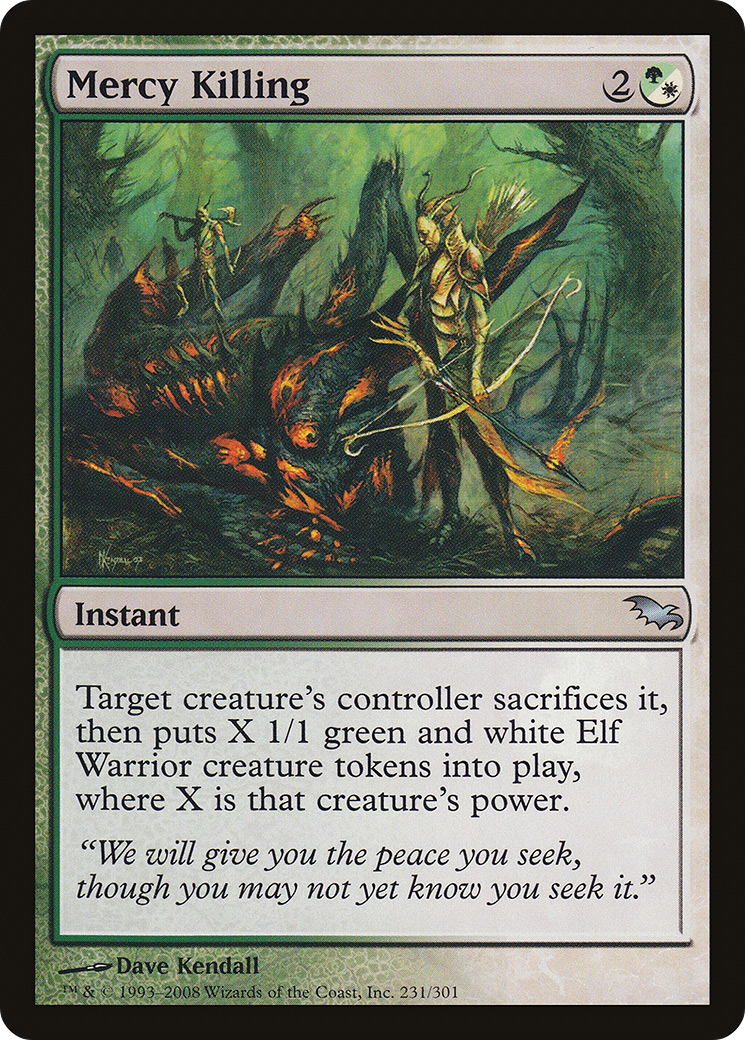
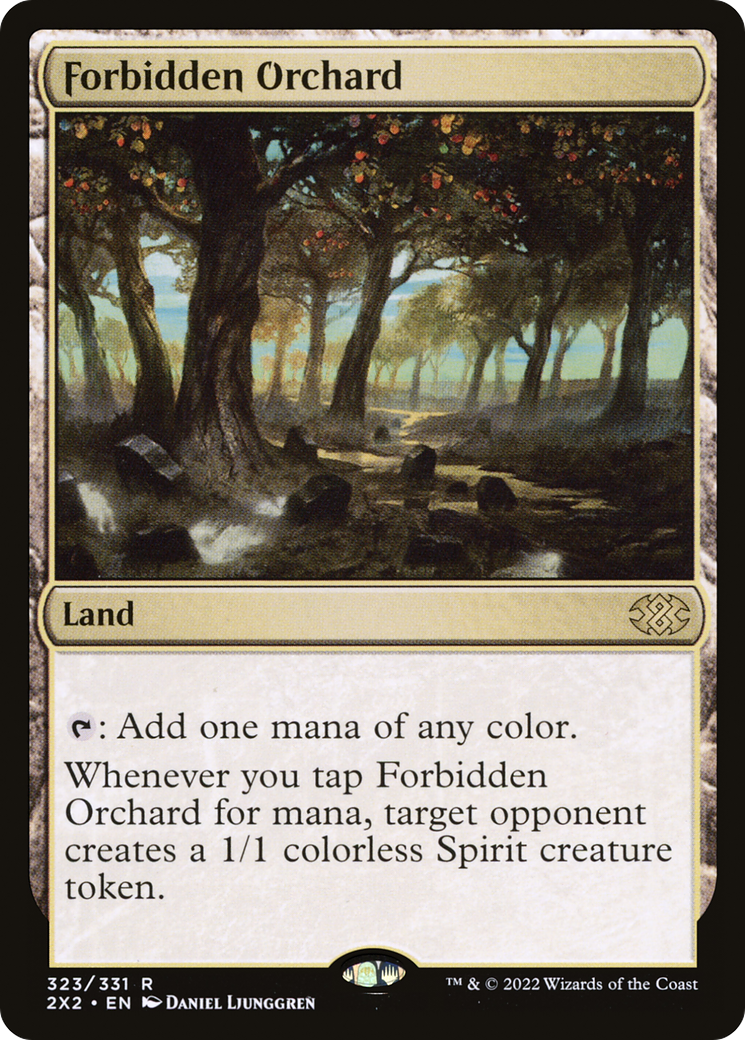
If your deck scales with the number of enemy blockers, then you might want to force your opponents to have more creatures than they’d otherwise play. Cards like Sylvan Offering, Mercy Killing, and Forbidden Orchard create board states out of nowhere, whether your opponents want them or not.
Killing Enemies
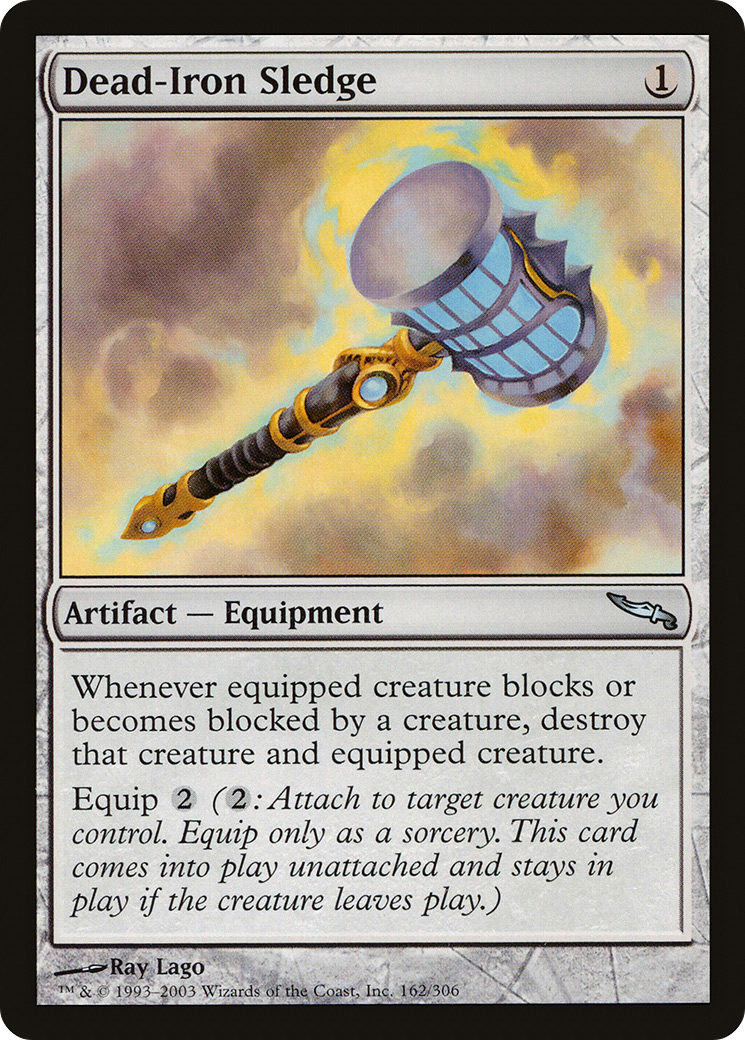
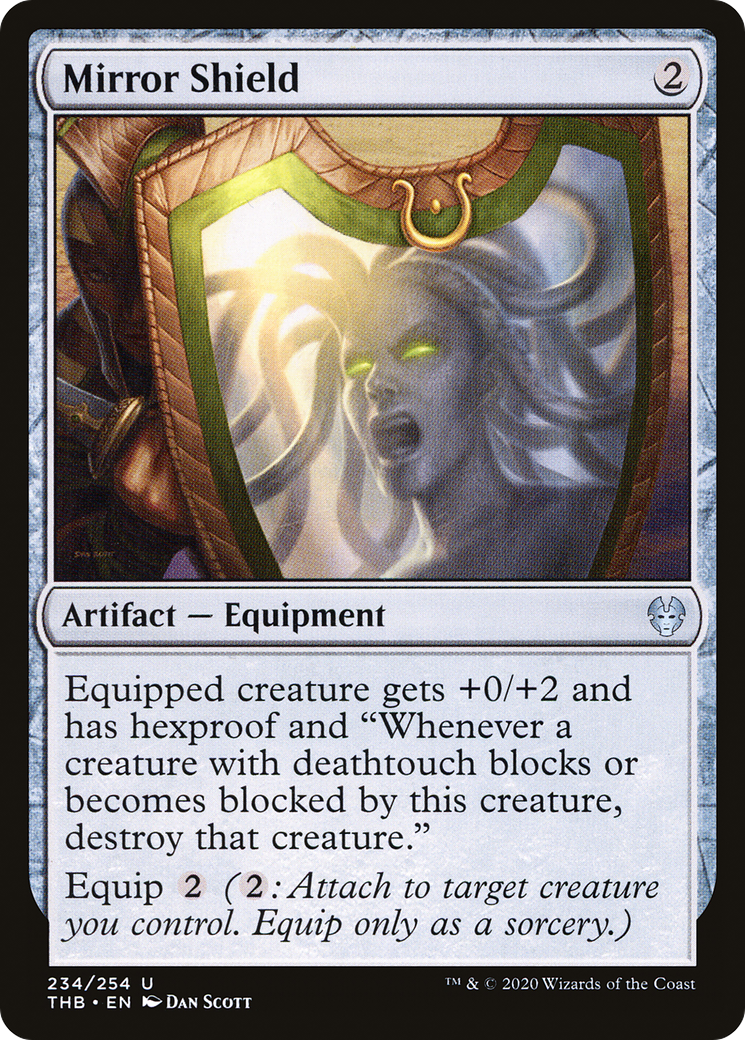
Having trouble with giant creatures or enemy deathtouchers? Try equipment like Dead-Iron Sledge, Barrow-Blade, and Mirror Shield to knock them off of their pedestal.
Banding
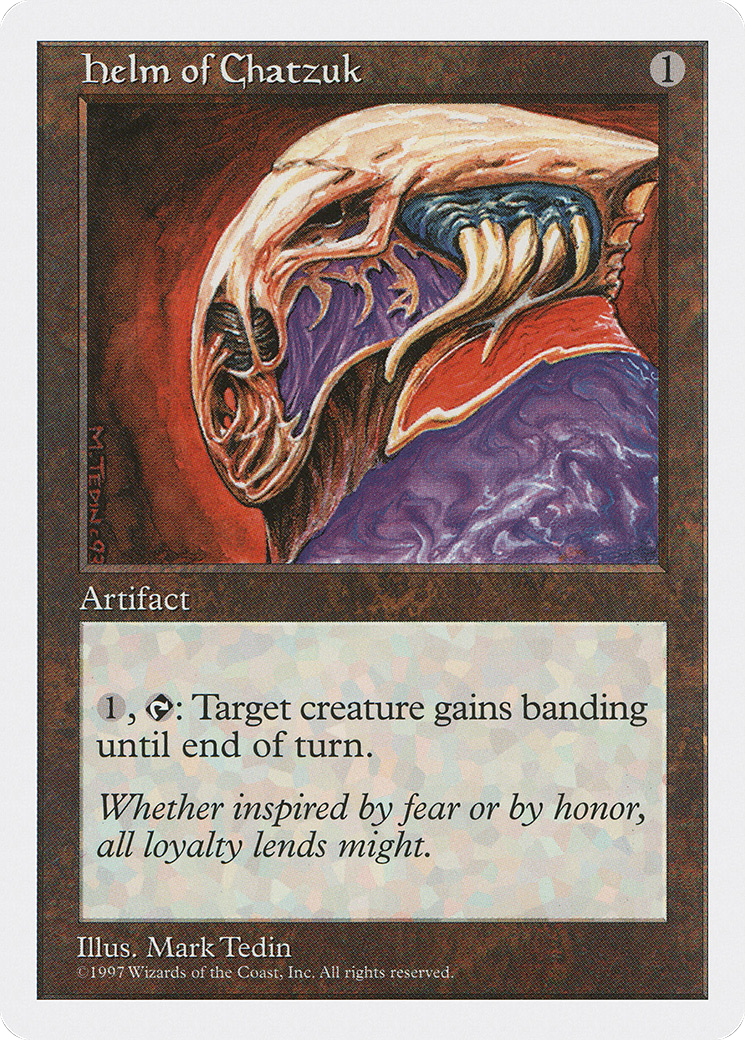
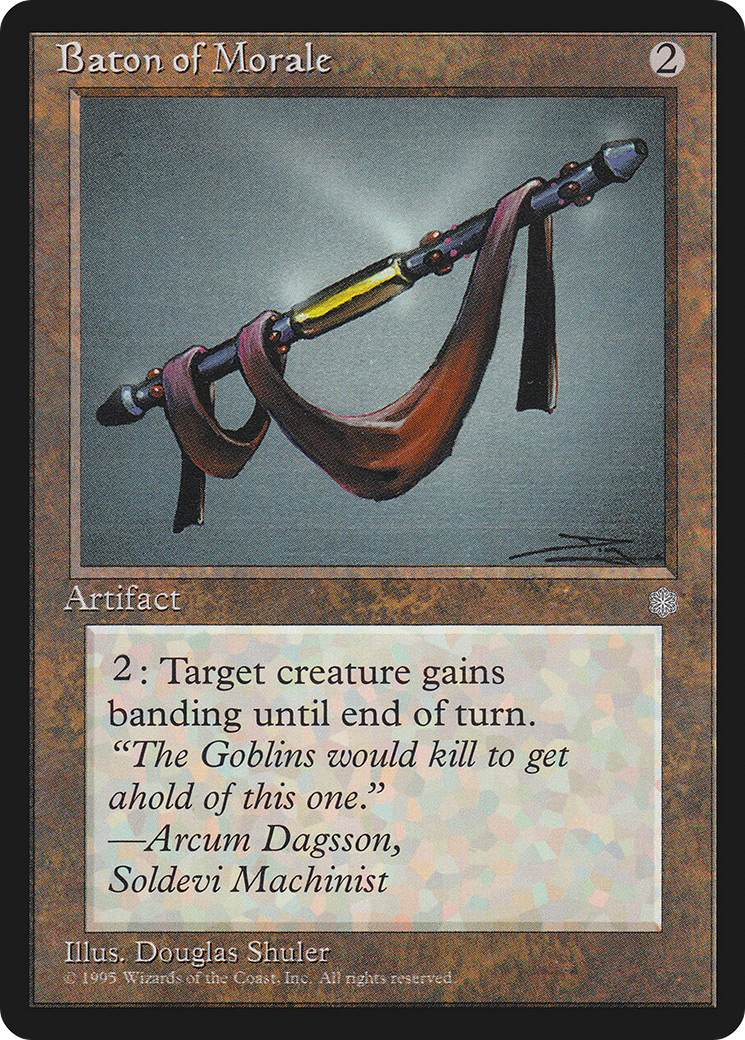
Finally, and perhaps most jank, is Lure’s interaction with banding. Any number of creatures with banding and up to one without can attack in a band, and if any creature in the band is blocked by a creature, that creature is assigned to block every creature in the band.
That means if you give a creature that must be blocked by everything banding, whether it be by Helm of Chatzuk, Baton of Morale, or Nature’s Blessing, you can have multiple creatures effectively share the Lure. You also get to split any incoming damage among the creatures in the band, so your attacks become substantially safer, as they all essentially share one giant toughness pool. You can also use this to get the effect of multiple blocked by a creature triggers with just one Lure, such as triggering both Assembled Alphas and Engulfing Slagwurm on the same creatures.
Lured Away
That is everything I’ve got to teach you about must-block effects. If you loved this writeup, make sure to check out my Gabriel Angelfire deck tech, which was the first one I ever did, and join my Discord to discuss these strategies with other commander players like yourself. I hope to see you there, and happy luring!